- calendar_today April 28, 2026
The Future of Cross-Cultural Education in Regional Schools
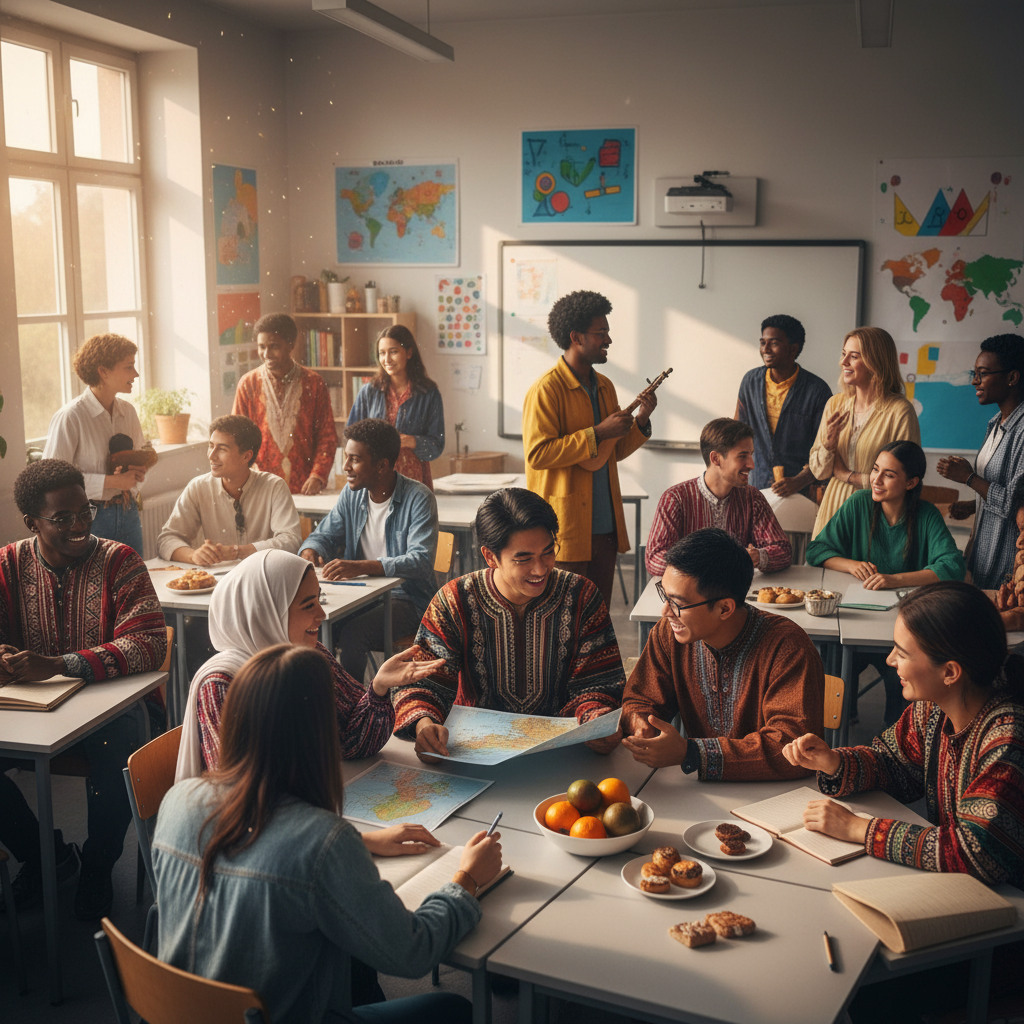
When you think of education, the diversity of cultures in a classroom might not be the first thing that comes to mind. Yet, as our world becomes increasingly interconnected, understanding and appreciating various cultures is essential. Exploring the future of cross-cultural education in regional schools reveals an exciting landscape where cultural exchange enriches learning. This article delves into upcoming trends, successful programs, and the vital role regional schools play in fostering a global mindset.
Understanding Cross-Cultural Education
Cross-cultural education goes beyond enriching students’ knowledge of different cultures; it encourages empathy and helps cultivate global citizens. You may wonder, how does a regional context fit into this picture? In areas where cultural diversity is limited, schools can still introduce global perspectives through curriculum design and innovative programs.
The Need for Cross-Cultural Education
In many regions, students interact primarily with peers who share similar backgrounds. While this creates a sense of community, it can also lead to a narrow worldview. For instance, a study by the Global Learning Network found that exposure to diverse cultural perspectives in education boosts critical thinking and problem-solving skills. As educators, you must recognize that the world extends beyond local borders.
Pioneering Practices in Regional Schools
Innovative regional schools are already implementing effective practices to embrace cross-cultural education. Let’s explore a few approaches.
International Exchange Programs
Schools are increasingly establishing partnerships with international institutions, allowing students to experience different cultures firsthand. For example, TAIE International Institute has been instrumental in creating exchange programs that enable students from regional schools to study abroad. These experiences not only broaden students’ horizons but also foster lifelong friendships and global networks.
Curriculum Integration
Integrating cross-cultural themes into existing curricula can enrich learning while remaining relevant to students’ lives. Regional schools can design projects that involve exploring local cultural heritage alongside global practices. This dual approach helps students appreciate their identity while fostering a sense of belonging in a larger global community.
Challenges Faced in Implementation
While the prospects of cross-cultural education are promising, several challenges can hinder its implementation in regional schools.
Resource Limitations
One significant barrier is the availability of resources. Many regional schools might lack the budget or access to materials crucial for implementing effective cross-cultural programs. Collaborative initiatives with NGOs or partnerships with cultural organizations can mitigate this issue. Grants aimed at enhancing cultural education can provide additional support.
Community Resistance
Resistance from parents and community members can also pose a challenge. Some may fear that introducing new cultural elements threatens their local traditions. It is crucial for schools to engage in open dialogues with stakeholders, demonstrating the benefits of cross-cultural education for the community and emphasizing mutual respect for all cultures.
Future Trends Shaping Cross-Cultural Education
As we look ahead, several emerging trends indicate how cross-cultural education will evolve in regional schools.
Technology and Virtual Learning
With advancements in technology, virtual classrooms can connect students across the globe. Online platforms facilitate interactions with peers from diverse backgrounds without geographical constraints. Imagine a classroom where students collaborate on projects with partners from different countries, sharing perspectives and cultural insights—this is the future of education! Virtual exchange programs are already paving the way, making participation accessible for all.
Social-Emotional Learning (SEL)
Integrating SEL with cultural education principles creates a holistic approach to student development. Understanding emotional intelligence fosters an empathetic attitude toward peers from different cultures, enriching the educational experience. As educators, you can implement SEL initiatives alongside traditional curricula to tackle cultural misconceptions and promote a supportive educational environment.
Conclusion: Embracing a Global Future
The journey towards enriching regional education through cross-cultural approaches is just beginning. As you stand at the forefront of this evolution, consider how your initiatives can shape students into globally-minded citizens. Encouraging students to embrace diversity prepares them for increasingly multicultural workplaces and communities. How will your school leverage cross-cultural education to empower its students?