- calendar_today June 16, 2026
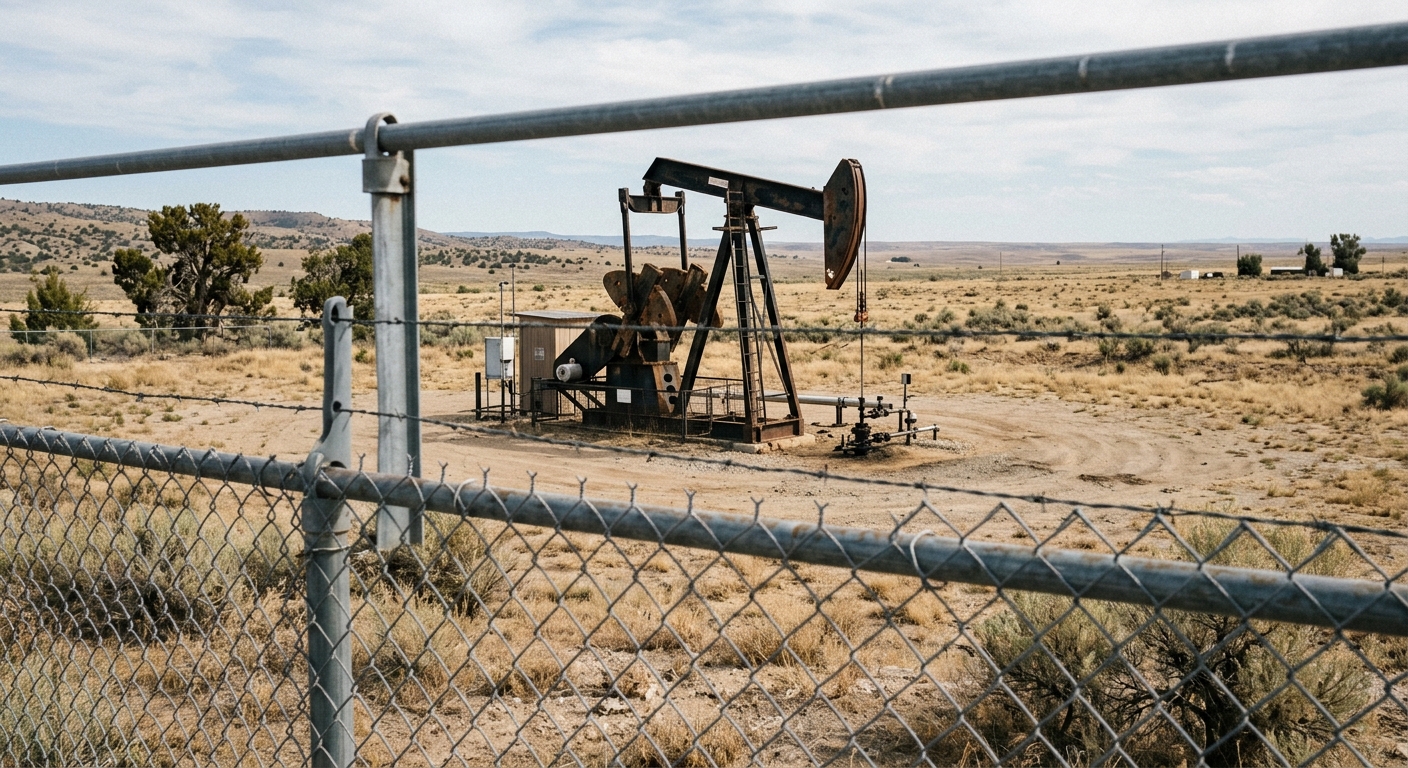
Southern USA — Oil prices fell below the $80 per barrel mark on June 16, 2026, a development that underscored shifting dynamics in the global energy sector and sent ripples through financial markets across the Southern USA. The decline, attributed in part to renewed optimism about a potential U.S.-Iran deal, has stirred conversation among analysts and regional energy producers about the broader implications for the crude oil market.
Brent Crude Dips Amid Anticipation of U.S.-Iran Agreement
The price of Brent crude plummeted 5.1% to settle at $78.96 per barrel, a notable drop from peaks above $100 just a few weeks ago. Many observers pointed to hopes for a tentative US-Iran deal—which could allow for renewed oil shipments through the Strait of Hormuz and potentially relieve global supply constraints—as a driving factor in this rapid price correction. However, significant diplomatic hurdles remain, with observers cautioning that negotiations over Iran’s nuclear program are still unresolved.
Volatility in the Oil Market Impacts Regional Energy Sector
The Southern USA, home to numerous refineries and distribution hubs, has felt the volatility in the oil market. Local energy companies are re-evaluating their production schedules as energy prices adjust to shifting expectations. “The possibility of new oil flows from Iran could alter global dynamics, but uncertainty remains high,” said a Houston-based analyst. Regional firms continue to monitor further developments, recognizing that it could be months before stability returns to the industry.
Stock Market Reacts to Energy and Tech Fluctuations
The reaction in U.S. equity markets was immediate. The S&P 500 dipped by 0.4%, extending a brief pullback that leaves it 1.1% below its previous record high. At the same time, the Dow Jones industrial average edged up 0.8% toward yet another all-time high, reflecting the complex interplay between defensive and growth sectors in recent stock trading sessions.
US Stocks Show Divergence as Tech Stocks Weigh on Nasdaq
Losses were most pronounced in tech stocks, dragging the Nasdaq composite down 0.7%. Companies such as Nvidia and Micron Technology faced notable declines amid sector-wide volatility. The performance of these stocks is being watched closely by investors throughout the region, as technology and innovation remain key drivers of economic momentum in the Southern USA.
Corporate Moves and Stock Trading Trends
Stocks beyond the technology sector exhibited mixed movements. For instance, SpaceX saw gains following its recent acquisition of an artificial intelligence firm, signaling investor enthusiasm for companies expanding into new technological frontiers. Meanwhile, Yum Brands advanced after announcing the sale of Pizza Hut, reflecting ongoing adjustments in the consumer and hospitality sectors. Such stock trading patterns highlight the cautious optimism seen among regional investors.
Interest Rates in Focus as Central Banks Move Cautiously
Central bank policy continues to influence markets as well. In Japan, the Nikkei index briefly climbed above 70,000 points after the Bank of Japan increased interest rates for the first time in three decades. Meanwhile, the U.S. Federal Reserve—now under Chair Kevin Warsh—is expected to hold steady on U.S. interest rates at its ongoing meeting, as policy makers weigh inflation concerns against the need to sustain economic growth. Strategic decisions in these macroeconomic policies are directly relevant to Southern USA businesses and investors, who rely on predictable financing conditions for growth.
Looking Ahead: Regional Implications of Falling Oil Prices
For the Southern USA, the recent drop in oil prices and ongoing volatility are being keenly felt by energy firms, local governments, and workers whose fortunes are tied to the sector. The future direction of crude oil values will depend greatly on geopolitical developments and the likelihood of a concrete US-Iran deal. As regional stakeholders brace for continued market swings, many are preparing for both risks and opportunities that may arise from this evolving landscape.