- calendar_today August 7, 2025
Insurance Deductibles Climb Across the Southern U.S.
From coastal Gulf towns to inland suburbs, homeowners across the Southern United States are confronting a shift in home insurance. Policies that once offered predictable, fixed deductibles now increasingly demand far more from policyholders—often tied to a percentage of the home’s insured value. This shift has dramatically raised out-of-pocket costs when damage strikes.
In cities like New Orleans, Mobile, and Jacksonville, as well as inland communities in Georgia, Tennessee, and Alabama, residents report rising premiums and deductibles that can reach thousands of dollars before any coverage applies. What once felt like dependable protection now carries significant upfront risk.
The South is one of the most weather-exposed regions in the country. Hurricane season, hailstorms, flooding, and tornados have made disaster claims more frequent—and more expensive. National and regional insurers have responded by restructuring policies to transfer more financial responsibility to homeowners.
Now, many property owners must absorb percentages of their coverage value—sometimes 2% to 5%—before insurers step in. On a $300,000 home policy, that means a $6,000–$15,000 liability. These changes reflect an industry grappling with repeated payouts and volatile repair costs.
Real-Life Strain on Families
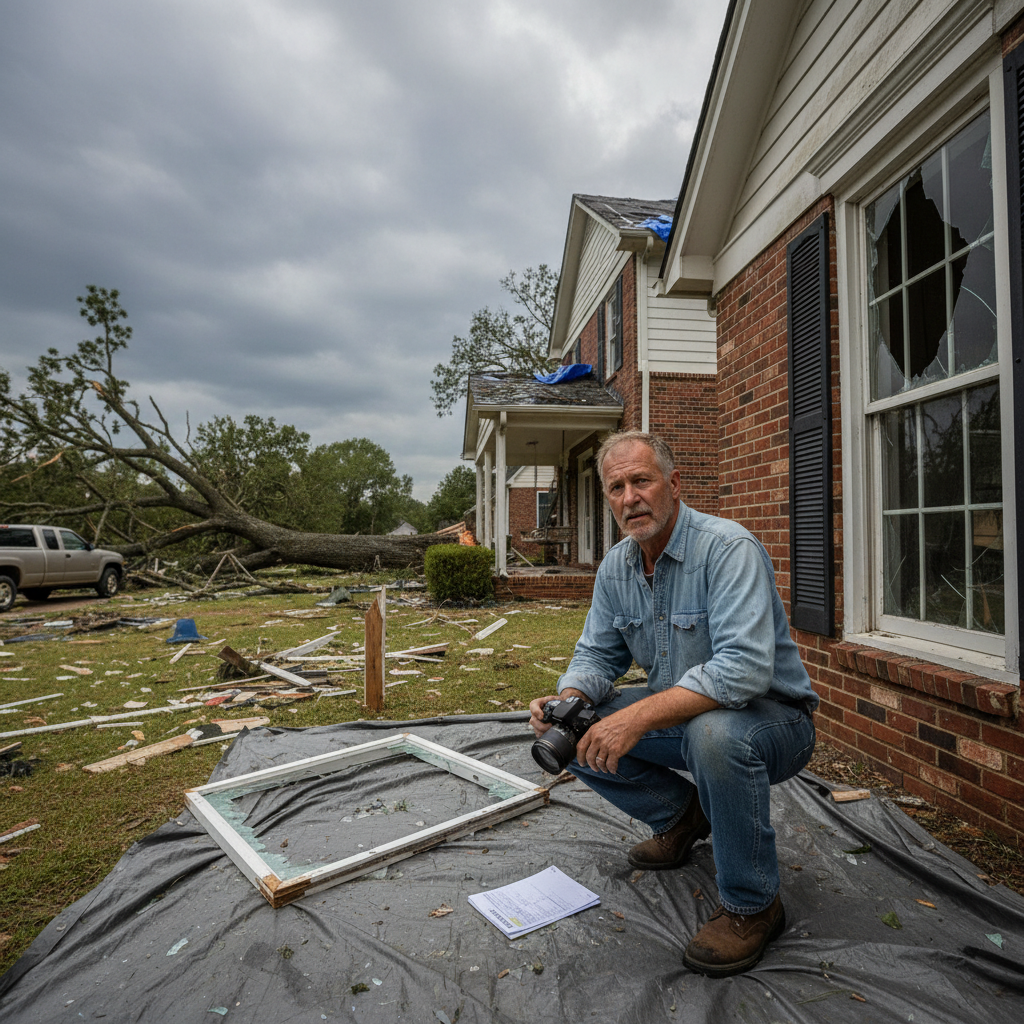
Homeowners across the region share stories that highlight the burden of these rising deductibles. In Atlanta, a family surveyed after a hailstorm discovered their policy had switched to a tiered deductible system during renewal. Their repair estimate came just shy of the deductible amount, and they ended up footing the entire bill.
In coastal Mississippi, another homeowner dealing with flood-adjacent damage found that submitting a minor claim would have triggered both a deductible and an insurance premium increase. He chose to pay manually, fearing future rate hikes.
These examples are not anomalies—they are symptoms of a broader financial shift altering how residents manage repairs, budgets, and their relationship with insurance coverage.
Economic Pressures Add to the Burden
It’s not just weather pushing costs higher. Rising labor, materials, and hurricane-grade permits have expensively redefined what “routine repair” means in many Southern markets. Even replacing a standard roof or fixing water damage can now exceed $10,000, depending on labor scarcity and permit requirements.
This financial pressure compounds the impact of higher deductibles. Many homeowners are now choosing not to file claims at all, hoping to preserve their claim history and avoid future rate increases.
How Residents Are Responding
Across Southern communities, homeowners are shifting strategies. Many now set aside a dedicated repair fund tailored to cover at least one high-tier deductible. Some are carefully tracking policy renewal conditions and consulting independent agents to avoid unintentionally stepping into new deductible structures.
Neighborhood associations in hurricane-prone zones are facilitating outreach workshops on insurance literacy, urging residents to review fine print and ask whether additional coverages—like flood or wind-driven rain endorsements—are needed.
Meanwhile, contractors report that more customers ask for cash quotes before even considering whether to file insurance claims. DIY repairs are on the rise for minor damage, as residents weigh the deductible against the risk of future premium hikes.
Insurance Industry Perspective
Insurers argue that these policy changes are necessary to maintain coverage in high-risk regions. A spokesperson for a regional homeowner insurer highlighted that frequent claims and catastrophic storm events have pressured carriers to adjust risk and reduce dependencies on reinsurance.
“Deductibles based on home value are a way to discourage trivial claims and keep costs manageable for the broader policy pool,” the spokesperson explained. “While it does shift some responsibility to homeowners, it also helps ensure the system remains stable.”
Consumer advocates counter that transparency is lacking. Policyholders are often unaware of how renewal terms change and may find themselves confronted with unexpected liabilities during claims.
Flood and Hurricane Coverage Nuances
Southern states face unique coverage challenges. While standard home policies often do not cover flood damage, many insurers now include separate hurricane deductibles—typically higher than wind or hail thresholds.
Residents in coastal areas frequently find themselves unexpectedly uninsured for water or flood damage unless they purchase additional policies. Yet these supplemental coverages can carry high premiums, and deductibles that may exceed the value of moderate repairs.
Preparing for Future Seasons
With storm seasons growing more intense, experts stress that preparedness is now vital. Homeowners are encouraged to inspect properties annually, document upgrades and repairs, and maintain photo or video logs to streamline claims.
Knowing whether deductions apply to named storms, flood damage, or wind events—and how they’ll impact cost-sharing—is essential. Reviewing renewal documents and seeking clarity where disclaimers reside has become a yearly household task.
Looking Ahead: What Might Change?
Regulators in some Southern states are beginning to scrutinize insurance practices more closely. Proposed guidelines aim to require clearer disclosure of deductible structures and renewal changes, but as of now, few binding mandates exist.
Until disclosure reforms emerge, the responsibility remains largely on homeowners to understand their coverage. For those living in high-risk zones, financial planning and proactive policy management are more important than ever.
Preparing for the unpredictable, in a region where weather and market shifts collide, may make all the difference between manageable minor repairs and unanticipated financial hardship.