- calendar_today August 28, 2025
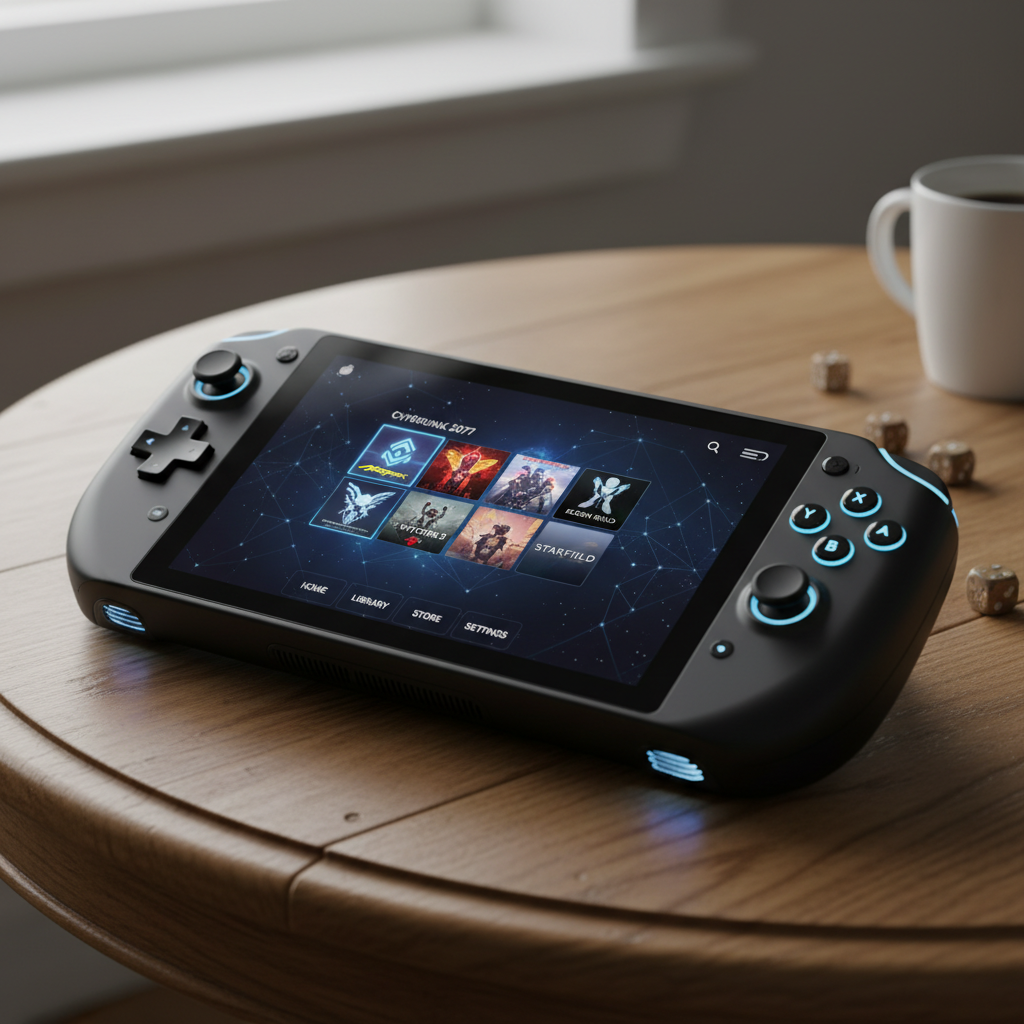
Microsoft launches a new Xbox user interface for Windows-based devices to make a significant impact on handheld gaming. Microsoft joins forces with Asus to release its new Xbox-branded user interface through the ROG Xbox Ally—a portable handheld device that offers PC gamers streamlined portability.
Valve’s Steam Deck has maintained dominance in this category for years by presenting a custom Linux-based SteamOS system that serves as an alternative to Windows. The Steam Deck has achieved success despite its main dependency on Proton for running Windows games and native support for just a limited selection of titles. The market has demonstrated genuine interest for portable gaming devices which operate independently from standard Windows infrastructure.
Microsoft together with Asus works to deliver a console-style user interface experience on top of Windows. The interface depends on Windows to enable complete PC game compatibility while maintaining a streamlined design suited for gamepad use.
A Console-Like Experience on a Windows Backbone
Microsoft will begin implementing the new Xbox UI on the ROG Xbox Ally first but has confirmed plans to expand it to additional Ally handhelds and eventually to other Windows handheld devices from next year onwards. Microsoft has not confirmed that this UI comes from their “Windows Handheld Mode” hackathon in 2022 but it shares similar design objectives.
The interface offers a full-screen tile-based design that mirrors the gaming experience presented by Xbox and Nintendo Switch. The system solves known Windows handheld problems like inadequate controller support and touchscreen usability by establishing a specialized simple interface for portable gaming.
Efficiency Gains That Matter for Gamers
The updated UI design delivers enhanced performance capabilities beyond its visual appeal. The traditional Windows desktop and taskbar on the ROG Xbox Ally are replaced by this new interface which results in better system resource management. Microsoft reports that the new interface preserves gigabytes of RAM and consumes less energy which is essential for battery-driven gaming devices.
The new system represents a substantial advancement when compared to standard handheld PCs such as the original ROG Ally which operate with the full Windows load together with additional software like Asus’ Armoury Crate. The additional software layer aimed to address Windows’ limitations for handheld devices but frequently resulted in performance issues. The Xbox UI streamlines operation through its specially designed interface.
Microsoft maintains some level of commitment toward desktop functionality along with its new innovations. The standard Windows user interface remains available for users who prefer it. Players can enjoy a console-style gaming interface while maintaining full access to Windows capabilities for other tasks.
A Delayed Response to the Steam Deck Surge
The new interface shows potential but Microsoft took too long to respond to the Steam Deck. The release of Valve’s handheld device was considered experimental with potential flaws that could hinder its success. The Steam Deck and SteamOS improved together and now SteamOS operates on numerous devices including select Asus models.
Proton and Wine which provide essential support for SteamOS functionality have seen substantial advancements. SteamOS and its underlying projects Proton and Wine enable numerous Windows games to operate on Linux systems which undermines Windows’ fundamental advantage of cross-platform compatibility. Over the past year Linux desktop usage has reached more than 4% worldwide which represents both a modest and significant achievement.
Windows controlled the PC market for decades because all software simply functioned on it. The stabilization of platforms like SteamOS is causing the Windows lock-in cycle to start disintegrating. Gamers have discovered that they can play all their preferred games without needing to depend on Microsoft’s operating system.
By developing an Xbox-branded UI Microsoft demonstrates awareness of the changing gaming landscape and shows their effort to stay competitive in this changing environment. It is uncertain whether these measures will succeed in bringing back gamers who have chosen alternative platforms. Microsoft has signaled its willingness to create a future that supports handheld devices without making users depend on a cumbersome desktop environment.