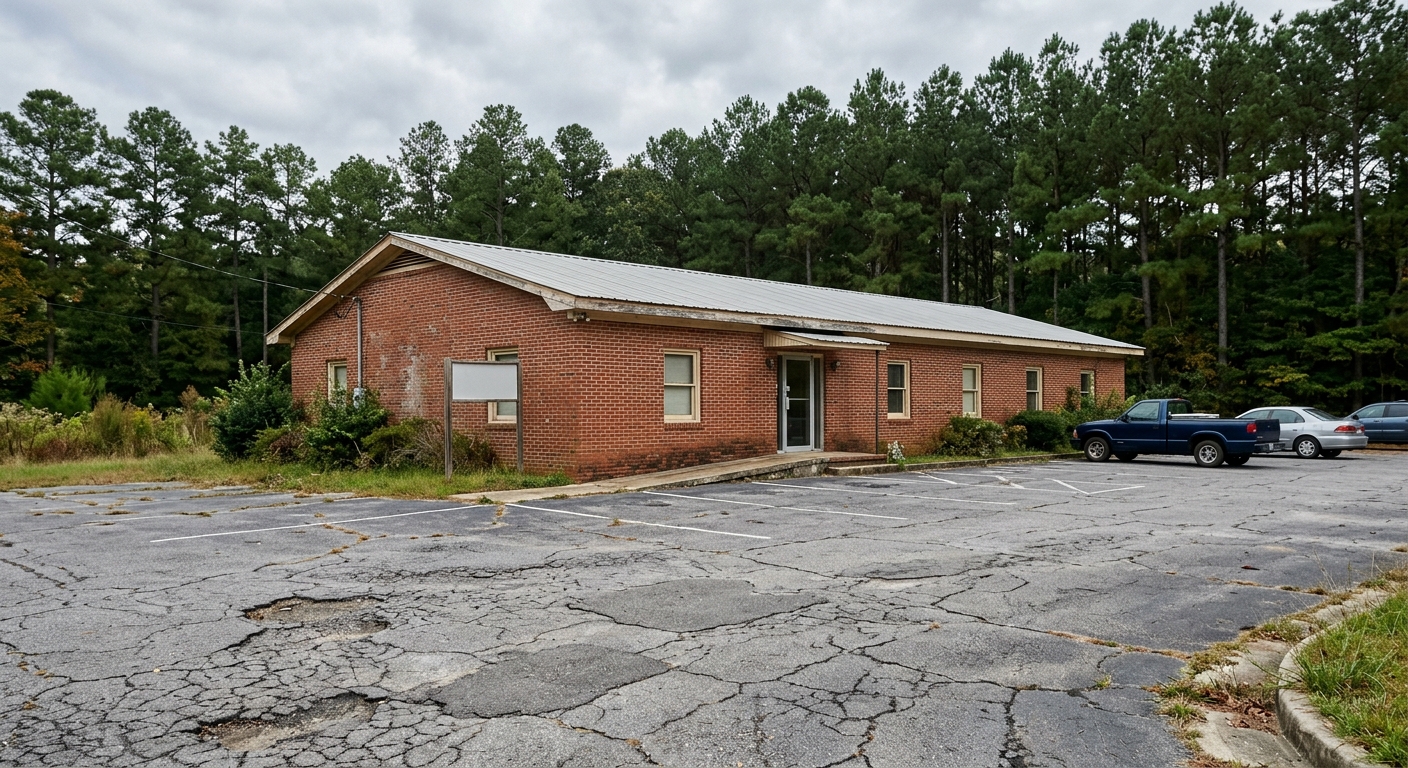
AI-generated illustration; not a photograph of the reported event.
- calendar_today October 13, 2026
Health Care Emerges as Top Concern in Alabama
Health care has risen to the forefront of concerns for Alabama residents, according to a new report from the Public Affairs Research Council of Alabama (PARCA). Challenges such as increasing health care costs, hospital closures, and limited access to maternity care are driving the issue, with voters placing health care alongside education as a top priority for state government.
PARCA Report Details State of Alabama Health Care
PARCA's recent report, issued as part of its "Issues and Agencies" series, examines the performance of the Alabama Department of Public Health, the agency’s funding and governance, and broader health outcomes and access issues across the state. The report arrives during ongoing uncertainty about federal health insurance support as costs climb and rural communities face mounting difficulties.
Alabama's Health Outcomes and Rural Disparities
Alabama ranked 47th among U.S. states in the 2025 America's Health Rankings annual report, reflecting notable challenges such as high rates of chronic disease, elevated poverty levels, and limited health care access. The state continues to fall behind national benchmarks in metrics like life expectancy and infant health. The report notes that disparities are especially evident in rural regions, where health care provision faces unique obstacles.
Rural areas cover 58 of Alabama’s 67 counties and are home to more than 40 percent of its population. At least seven rural hospitals have closed since 2010. As of July 2026, 37 percent of the state's rural hospitals were categorized as being at immediate risk of closure, raising concerns about ongoing hospital sustainability.
Maternity and Specialized Care Access Remains Limited
Maternity care access continues to be a major challenge. The report reveals that nearly 90 percent of women in rural Alabama reside more than 30 minutes from a hospital providing birthing services, compared to just 26 percent of women in urban areas. Only 15 of the state’s 58 rural counties are home to hospitals with labor and delivery units, compounding risks for maternal and infant health in these communities.
Federal Funding and Its Temporary Nature
In 2026, Alabama received $203.4 million in federal funding through the Rural Health Transformation Program, a temporary initiative aimed at supporting health care in rural communities. Administered by the Alabama Department of Economic and Community Affairs, the program’s early rounds have focused on initiatives such as rural health services, medical workforce development, mental health improvements, modernizing practices, and enhancing cybersecurity for health records. Although this funding supports projects across all 67 counties, it is scheduled to end after fiscal year 2030, raising sustainability concerns for rural health investments.
Alabama Department of Public Health: Mandate and Resources
The Alabama Department of Public Health carries a broad mandate, including disease monitoring, enforcement of public health laws, facility inspections, and control programs for illness prevention. The agency runs approximately 75 offices with over 2,600 employees. Among its 2025 activities, the department screened about 120,000 newborn specimens for genetic and metabolic disorders, performed 47,000 inspections of facilities such as food service and lodging, and investigated 685 disease outbreaks or clusters.
Department funding is pooled from federal, state, and local sources, alongside revenue from permits, fees, and clinical billing. For fiscal year 2026, $1.41 billion was appropriated to the agency, including $159.4 million from Alabama's General Fund—constituting roughly 4 percent of total fund spending. Alabama’s public health spending in fiscal years 2022 and 2023 amounted to $137 per person, above the national average of $124, and ranking the state 18th nationally and first in the Southeast.
Looking Ahead: Sustainability Remains Uncertain
The scheduled conclusion of the Rural Health Transformation Program in 2030 leaves open important questions about how Alabama will maintain and expand access to care—especially for rural residents. Future changes to the Alabama Department of Public Health's governance and budgeting could also significantly impact the agency’s ability to meet its responsibilities in the challenging years ahead.
Source: alreporter.com.