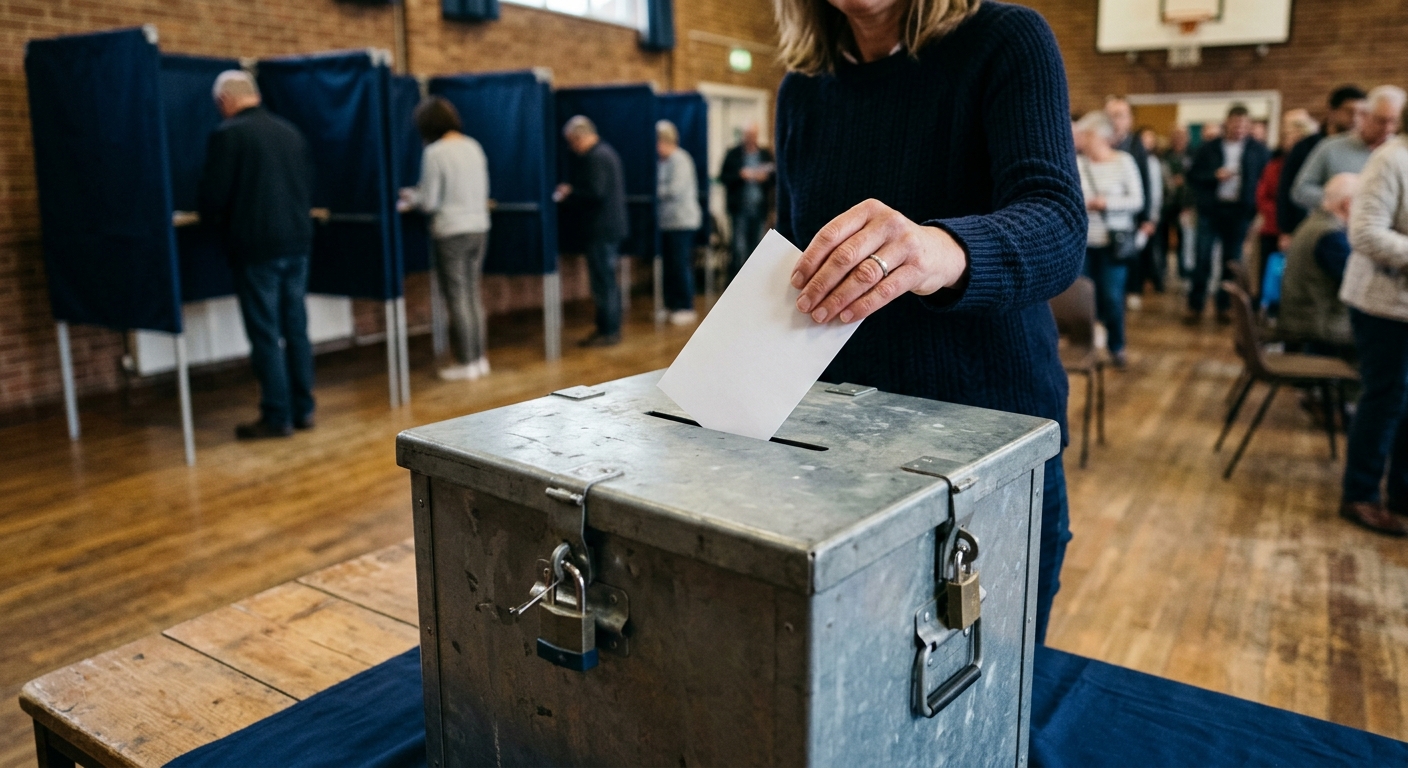
AI-generated illustration; not a photograph of the reported event.
- calendar_today July 28, 2026
Major political attention in the Southern USA has turned toward the wisconsin democratic primary for governor, as early in-person voting officially begins. The race features a crowded field and is marked by shifting alliances, legal disputes, and the potential for historic milestones in state government. Southern communities are closely watching developments, given the implications for regional alliances and national politics.
Competitive Democratic Governor Race Kicks Off
The democratic governor race in Wisconsin counts five key contenders vying for the party’s nomination. Among them are state legislator and democratic socialist francesca hong, former Lt. Gov. mandela barnes, and Milwaukee County Executive david crowley. Notably, both Crowley and Barnes, prominent figures in local politics, are seeking to become Wisconsin’s first Black governor—a milestone that has energized both voters and activists in neighboring Southern states.
Incumbent Endorsement and Party Divisions
David Crowley’s bid receives a significant boost from an official tony evers endorsement. Evers, the incumbent Democratic governor, hopes his support will solidify party unity ahead of a challenging general election. However, divisions within the Democratic ranks persist as each candidate appeals to a different base, and the party navigates competing visions for the state’s future.
Early Voting and Absentee Ballots Shape Turnout
With early voting underway and options for absentee participation, election officials in the Southern USA are observing how accessibility influences overall turnout. Nearly 108,000 absentee ballots had been submitted before in-person voting began, demonstrating a robust engagement despite the campaign’s unpredictability. The in-person absentee voting period is scheduled to continue through August 9, with all ballots due by the close of polls on August 11.
Legal Dispute Over Ballot Spoiling
Heightening the tension is a democratic lawsuit that seeks to allow voters who have already returned absentee ballots to cancel and recast them—a process sometimes referred to as ballot spoiling. This legal action arises from late campaign withdrawals and reentries, developments that altered the slate of choices for those who already voted. The resolution could impact voter confidence and influence strategies not only in Wisconsin but also in Southern USA states observing similar election dynamics.
Historic Candidacies: Hong, Barnes, and Crowley
Among the five Democratic hopefuls, francesca hong brings a progressive platform that resonates with younger and urban voters, joining mandela barnes and david crowley in shaping the primary’s diverse outlook. The candidacies of Barnes and Crowley, both pursuing the distinction of being Wisconsin’s first Black governor, are drawing particular interest and support across regions known for landmark political shifts.
Republican Field and November Showdown
On the Republican side, republican tom tiffany, a U.S. Representative with strong backing from former President Donald Trump, faces minimal intra-party opposition. The winner of the Wisconsin Democratic primary will go on to challenge Tiffany in the general election, a contest closely watched by political strategists in the Southern USA for its broader implications on the balance of power.
Implications for State Leadership and Beyond
Wisconsin Democrats are eager not only to retain the governorship but also to flip both legislative chambers, a feat that has eluded the party since 2010. Success in this endeavor could offer a roadmap for coalition-building efforts in the Southern USA as well, where similar political dynamics play out. However, the internal divisions, contested candidacies, and ongoing legal debates introduce uncertainty about heading into November’s heated contest.
Looking Ahead
The next several weeks will test the Wisconsin Democratic Party’s ability to consolidate behind its primary winner and leverage regional support. Voters locally and in the Southern USA will be watching as the outcome shapes strategies and expectations for upcoming electoral cycles.