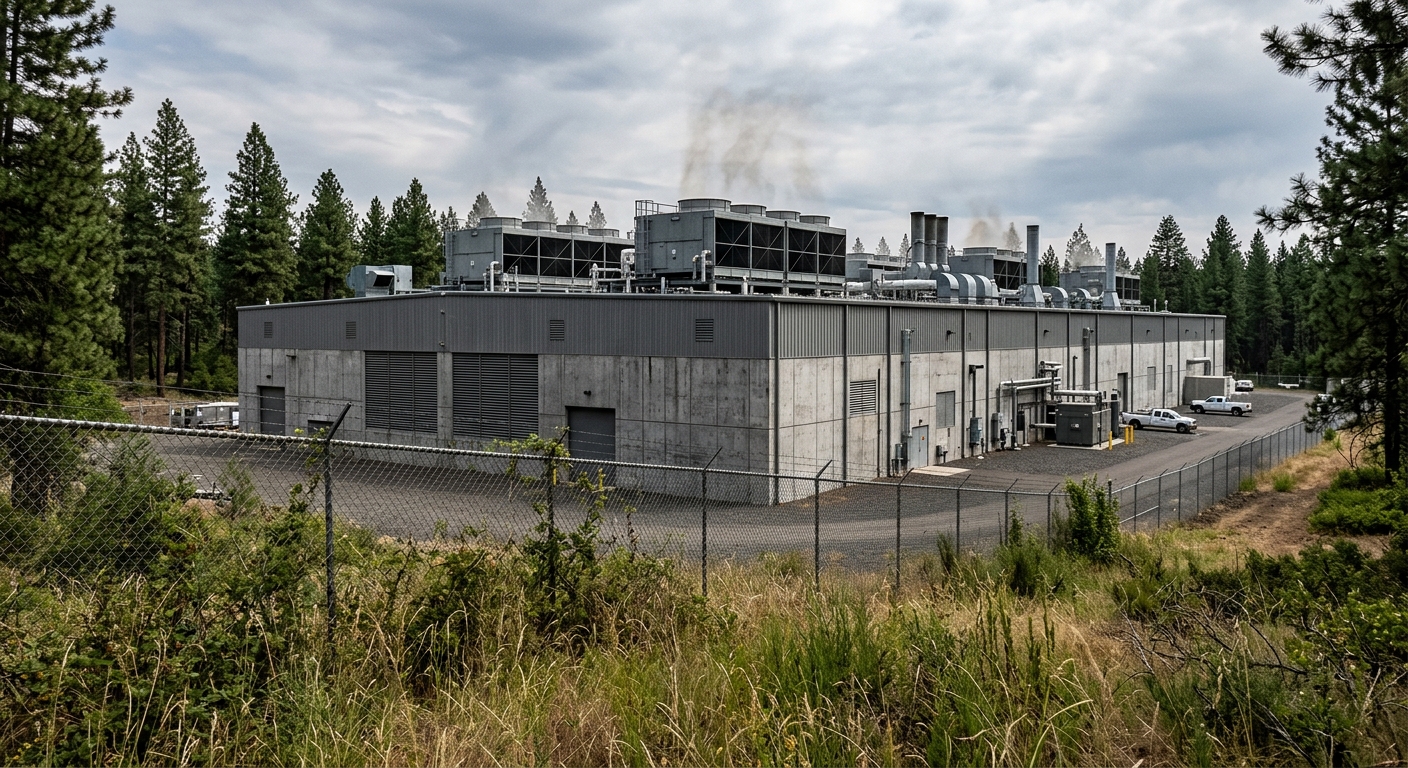
AI-generated illustration; not a photograph of the reported event.
- calendar_today September 3, 2026
The Southern USA faces a potential shift in environmental oversight as the Environmental Protection Agency (EPA) advances a proposal that could fundamentally alter the process for approving air pollution permits for data centers and similar facilities. The epa proposal, introduced this year, would rescind the federal mandate requiring states to notify the public and solicit public comment before granting these permits, sparking both anticipation and concern across the region.
A Controversial Change in Permit Requirements
The proposed rule targets the permitting process for minor industrial sources, including the rapidly expanding sector of ai data centers. Presently, states must provide an opportunity for community participation and address concerns raised through formal comment periods, but under the new permit requirements, this federal obligation would be lifted. Proponents argue that eliminating federal involvement will streamline state regulatory activities and provide much-needed flexibility as demand for digital infrastructure intensifies in Southern communities.
Balancing State Regulations and Federal Standards
Supporters of the initiative point out that the epa proposal aligns the permitting process more closely with the federal Clean Air Act, emphasizing that state regulations will continue to guide oversight. The EPA maintains that each state retains full authority over its permitting framework and can choose to maintain or expand their own public comment procedures. However, opponents worry that this approach may open the door to significant disparities in enforcement and relinquish crucial federal oversight that protects residents across the Southern USA.
Environmental Impact and Transparency Concerns
Environmental advocates within the region have raised alarms about the proposal’s possible ramifications. Without guaranteed opportunities for robust public input, communities—particularly those already affected by industrial growth—may lose a vital avenue to voice concerns regarding environmental impact and pollution. Some advocacy groups stress that dissolving baseline federal requirements risks eroding pollution transparency and undermining accountability for both regulators and facility operators.
Growth of Data Centers Spurs Debate
The rapid proliferation of data centers has fueled debate in recent years, especially as these facilities have become critical to powering AI data centers and cloud computing infrastructure. Alongside their economic benefits, these centers contribute to rising resource consumption, including water and energy use, which exacerbates local concerns about air quality and environmental impact. Leaders in Southern USA cities are grappling with how best to weigh these factors against the region’s growing status as a technology and logistics hub.
Political Reactions and National Implications
The epa proposal has attracted national attention. Former President Donald Trump highlighted the strategic role of data centers in maintaining U.S. leadership in artificial intelligence, while bipartisan critics—including regional legislators—warn that minimizing community participation could silence affected neighborhoods. In the Southern USA, city councils and environmental boards have convened to consider what enhanced local measures might be necessary if federal oversight wanes.
Looking Ahead: What’s Next for the Southern USA
The EPA’s final decision on the permit requirements is expected in the coming year. As the Southern USA continues to attract investment in high-tech infrastructure, the forthcoming changes could shape how local governments, residents, and industry stakeholders interact around land use and environmental policy. For many in the region, the future of epa proposal and related state regulations remains a critical question—a test of how to balance innovation, environmental responsibility, and pollution transparency as the landscape of digital industry evolves.