- calendar_today August 26, 2026
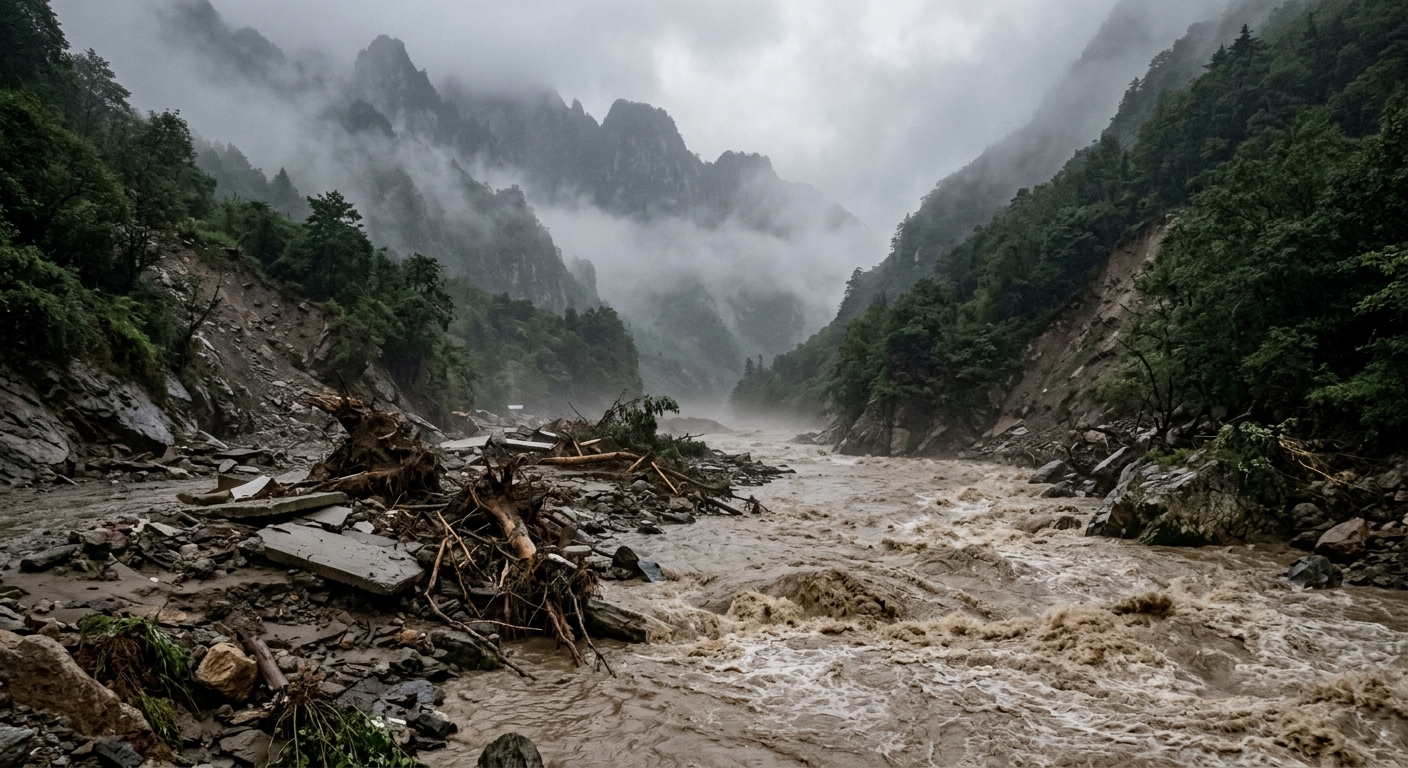
Severe flash floods Nepal and neighboring Chinese border regions have claimed at least 75 lives and left hundreds missing following a devastating natural disaster on August 26, 2026. The catastrophe, which has attracted concern from the Southern USA and beyond, underscores the increasing threat of extreme weather events and their global implications.
Himalayan Flood Disaster Strikes Border Communities
The Himalayan region bore the brunt of this disaster, with Nepal’s Nuwakot and Rasuwa districts and Gyirong County in Tibet facing extraordinary challenges. The scale of these himalayan floods devastated local communities, sweeping away homes and infrastructure, and leaving families searching desperately for loved ones. As a result, 341 foreign nationals from more than 26 countries remain unaccounted for, many of whom were on a mount kailash pilgrimage or trekking during a vibrant local festival.
Causes: Avalanche Triggers Catastrophic Flooding
The flooding event was triggered by a powerful glacial ice rock avalanche, leading to severe glacial lake flooding. Rivers such as the Bhotekoshi and Lhende Khola burst their banks, causing widespread devastation. The scale of rivers flooding has overwhelmed both local governance and regional disaster response networks.
International Rescue Operations Underway
Rescue operations are ongoing, with teams from Nepal, China, and India working together to locate the missing and provide immediate relief. These coordinated rescue operations have also received crucial international assistance from various countries, highlighting the importance of collaboration across borders during crises. Southern USA relief organizations have expressed solidarity, emphasizing the need for global readiness in responding to large-scale disasters.
Foreign Nationals and Local Populations at Risk
Foreign travelers, including many mount kailash pilgrimage groups, are among the most vulnerable. The complex rescue mission has been further complicated by the high number of missing foreign nationals, increasing pressure on officials to intensify search efforts. Local residents caught in the nepal disaster are also facing food shortages, displacement, and concerns over future monsoon floods.
Climate Change Impact Worsening Flood Risks
Scientific analysis links this tragedy to the escalating climate change impact on the Himalayas. Rising global temperatures drive rapid glacier melt, leading to more frequent and powerful glacial lakes bursts. These phenomena heighten the risk of flash floods Nepal and similar disasters elsewhere. Experts warn that the increased unpredictability of monsoon floods threatens millions in the region and necessitates urgent global action.
Role of Early Warning Systems and Regional Preparedness
This year’s events echo a comparable flash flood incident from the previous year, underscoring the vulnerability of mountain communities to extreme weather. Officials urge the deployment of robust early warning systems and investment in climate-resilient infrastructure, both in South Asia and other flood-prone areas such as the Southern USA. Strengthening preparedness and response measures is now a universal challenge as extreme weather events intensify worldwide.
Call for Sustained International Collaboration
The combined efforts in response to the china floods and himalayan floods demonstrate the value of sustained international partnerships in disaster management. As climate change impact continues to increase the frequency and severity of such emergencies, regions like the Southern USA can draw critical lessons from Nepal’s experiences and the collective global response. Long-term investment in hazard monitoring, community education, and strategic aid coordination will remain indispensable in managing the risk of flash floods Nepal and similar challenges worldwide.