- calendar_today September 3, 2025
In 2025, the Southern United States electric car race is well underway. Traditionally linked to its love of gas trucks and muscle cars, the South is quickly becoming a top battleground for EV titans like Tesla, BYD, and Rivian. These automakers are fast-tracking their effort to win over customers with reduced prices, greater range, and greater charging availability.
Tesla is still market dominant, but there is emerging competition fast. BYD, a Chinese electric vehicle manufacturer, is gaining momentum with affordable and practical EVs. Rivian, through its rugged electric trucks and SUVs, is gaining attention from outdoor enthusiasts all over the region.
Tesla Attempts to Maintain Its Lead
Tesla has been America’s public face of electric cars for decades. In the South, Tesla is visible as it cruises down highways, fills up charging stations, and even appears in suburban driveways. Its Model 3 and Model Y are still the best-selling models in the EV segment.
But the competition is growing. Tesla is battling harder today to keep its lead by updating its cars with better software, longer battery life, and faster charging speed. Tesla is also expanding its Supercharger network in the Southern states so that drivers can more easily drive long distances in EVs. But with market share down marginally, Tesla knows it can’t ease up on the accelerator.
Price reductions have also been a part of Tesla’s 2025 plan. To stay ahead, Tesla has reduced prices on its entire model lineup in an effort to battle cheaper alternatives coming from BYD and other companies. Tesla is also moving towards improving production speed to keep up with increasing demand in the southern states of Texas, Georgia, and Florida.
BYD Enters with a Bold Plan
BYD, the global leading electric vehicle manufacturer, is finally entering the U.S. market. After Tesla had very little competition in the South, BYD is now shaking things up. Its EVs, which are usually priced lower than Tesla’s vehicles, lure families and budget-conscious drivers.
BYD’s vehicles are designed for reliability and ease of use. While they will not have the luxury ambience of Tesla, they will possess strong range capability and safety that are making waves. People in southern urban areas and even rural towns are showing interest in such affordable electric options.
The firm is also intent on forging alliances for the growth of its service and dealer network in the U.S. This means BYD EVs could become more accessible in southern cities like Atlanta, Houston, and Charlotte.
What is most compelling about BYD in the South is how affordable it is. Many people living in those states are open to electric vehicles, but don’t because of the high price. BYD intends to leave that problem in the past.
Rivian Seeks a Different Type of Driver
Rivian has approached it in a different way than Tesla and BYD. Rivian doesn’t aim at the urban commuter like Tesla and BYD. Instead, they produce EVs for campers and road trippers. Rivian’s R1T electric pickup truck and R1S SUV are perfect for campers, road trippers, and outdoor lovers.
That strategy works in the Southern United States, where people would rather move around by truck and appreciate cars that can get through city streets and country roads. Rivian’s electric pickups are not just powerful but also modern and green, and that appeals to young drivers.
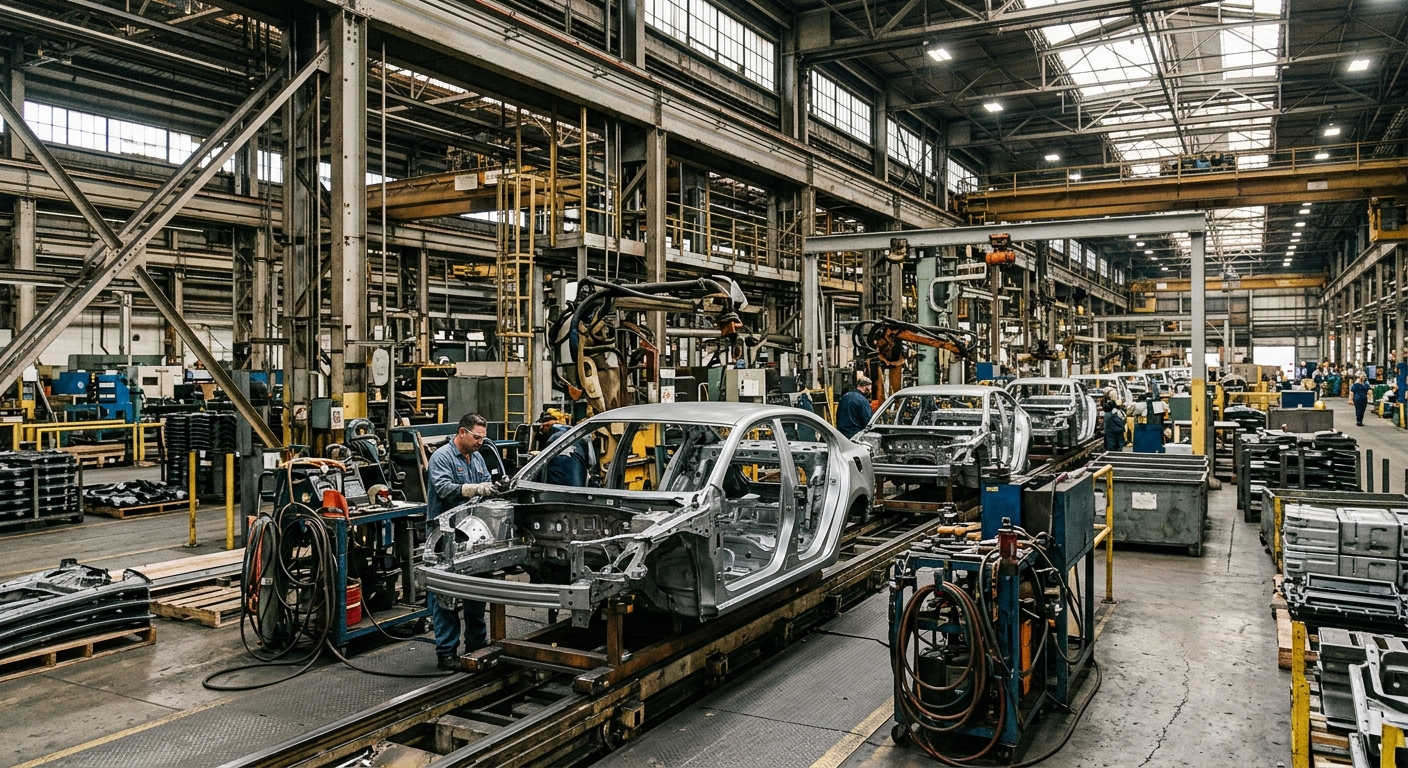
Rivian has also moved strategically to keep costs low. Rivian decided to delay building a new factory in Georgia and, instead, grow its current Illinois facilities. This move helps them keep costs down and get the vehicles on the road fast.
Though Rivian isn’t currently producing nearly as many automobiles as Tesla or BYD yet, its customers remain extremely loyal. Many of the Southern drivers are seeking something unique and are choosing Rivian due to its rugged appearance and abilities.
What’s Driving EV Growth in the South?
Several factors are driving electric vehicles forward in the Southern United States. First, state governments are actively promoting green transportation. There are tax credits or rebates on purchasing EVs in some states, boosting the appeal of making the transition for customers.
Second, purchasing an EV is becoming more affordable. With gasoline prices still high and EV technology improving, more people are realizing that electric cars can be cheaper over the long term.
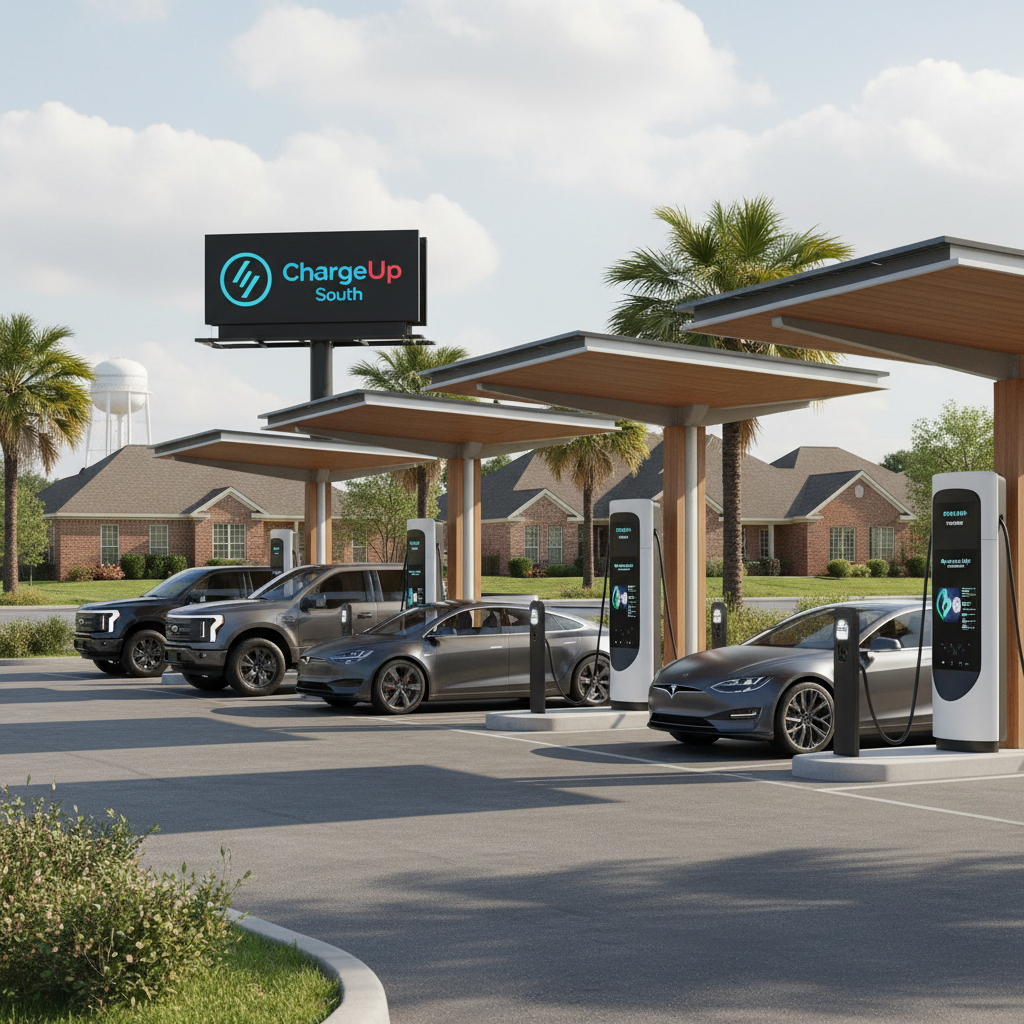
Third, the infrastructure is improving. Charge points are starting to show up on highways and in cities where EV owners can maintain their vehicles charged while going about daily life or taking long drives.
A second reason is public interest. As more people become aware of climate change, they’re familiarizing themselves with EVs and trusting that these vehicles are practical and reliable, even in places that were initially slow to embrace them.
The Road Ahead
The war for EV dominance in the Southern United States is far from over. Tesla, BYD, and Rivian are all coming at the market with unique strengths and each of them has something to prove to the buyer. Tesla brings experience and brand strength to the table. BYD brings price point and sensibility. Rivian brings thrills and off-road excitement.
The South is currently one of the most important markets for the growth of EVs within the country. As more and more drivers make the change to electric, 2025 could be the year that the South becomes one of the driving forces of the EV craze.
One thing is for sure: competition only helps consumers. With more choices, better technology, and competitive pricing, electric vehicles are no longer a new thing—they’re becoming the wave of the future in the South.