- calendar_today August 24, 2025
.
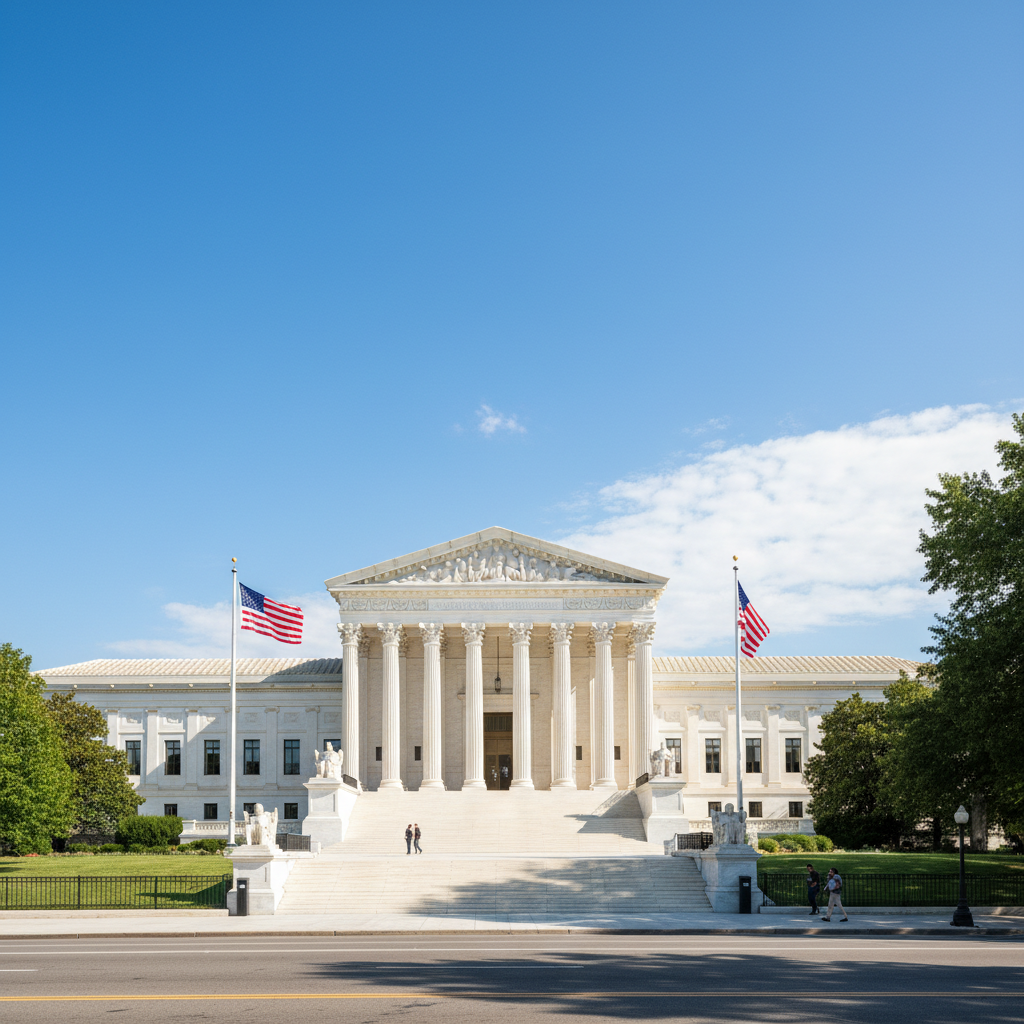
On Tuesday night, Trump administration lawyers asked the U.S. Supreme Court to let them block billions of dollars in foreign aid spending that Congress has already approved. The request returns the USAID funding battle to the high court for the second time in six months.
The nearly $12 billion in foreign aid for the U.S. Agency for International Development (USAID) is set to expire on Sept. 30 when the federal government’s fiscal year ends. On his first day back to work in January, President Donald Trump signed an executive order telling federal agencies to stop disbursements for almost all foreign aid spending. The president said he wanted to freeze the spending as part of an effort to root out “waste, fraud, and abuse” in overseas spending.
In court, the order was immediately challenged, and U.S. District Judge Amir Ali of Washington, D.C., issued an injunction in February to prevent the administration from blocking the funds. In his ruling, Judge Ali found that the administration must continue to disburse money appropriated by Congress for projects previously authorized by lawmakers. Judge Ali’s ruling compelled the Trump administration to restart payments for billions of dollars in USAID grants.
The Trump administration appealed, and the U.S. Court of Appeals for the D.C. Circuit took up the case earlier this month. The appeals court voted 2-1 to vacate the injunction Judge Ali had issued. Judge Karen L. Henderson, a George H.W. Bush appointee, wrote the majority opinion saying that the foreign aid groups challenging the administration — the plaintiffs in the case — did not have standing to sue. In other words, Henderson and the majority determined that the foreign aid groups did not have a “cause of action,” or a right to sue the administration based on a legal principle known as impoundment.
While the appeals court ruling was a major victory for Trump, it has not yet issued a formal mandate to the Trump administration to block the funds. That has left Judge Ali’s order, as well as the payment schedule he created, in effect. In order not to be forced to release the full $12 billion in aid before the end of the fiscal year on Sept. 30, the Trump administration has to act fast.
Framing the Issue and the Stakes
In the emergency request to the Supreme Court on Tuesday, U.S. Solicitor General D. John Sauer wrote that if the Supreme Court does not act, the federal government will be on the hook to “rapidly obligate some $12 billion in foreign-aid funds.” Sauer also said that the issue is a political one that should not be decided by federal courts.
“Congress did not upset the delicate interbranch balance by allowing for unlimited, unconstrained private suits,” Sauer wrote. He added: “And if anything is left to be determined, any lingering dispute about the proper disposition of funds that the President seeks to rescind shortly before they expire should be left to the political branches, not effectively prejudged by the district court.”
The plaintiffs in the case, a group of foreign aid organizations that rely on USAID money to fund their projects, see it differently. They are arguing that the president lacks the legal authority to cancel money that Congress has already approved. The foreign aid groups are pinning their hopes on the Impoundment Control Act (ICA) of the 1970s, as well as the Administrative Procedure Act, as the legal grounds for their claims against the administration.
The case is about more than just aid to foreign organizations, as it involves important questions about the executive authority of the U.S. president. On one side are the plaintiffs, who have already had a major victory in the D.C. Circuit, and the arguments they make for limits on executive discretion over the budget. On the other side are the legal arguments of the Trump administration, which maintains that the president can delay or even rescind spending Congress has already appropriated to federal agencies.
In a narrow 5-4 decision, the Supreme Court has already ruled on the case. The justices in June handed down a ruling on the USAID spending fight in early June, but the case is back at the high court with an emergency request on Tuesday from the Trump administration.
The case is one part of Trump’s larger campaign to reduce federal spending and shift priorities for U.S. assistance programs. For the foreign aid groups that have been paying close attention, the stakes in the legal fight are high, as the projects they are using USAID money for are already in the works in foreign countries, and could be scaled back or shut down if the money dries up.
The appeals court’s decision is in limbo for now as the administration is waiting for a decision from the Supreme Court on the emergency request to block the foreign aid payments. It remains to be seen if the court will take on the emergency request, but the matter is now in the hands of the justices who have previously weighed in on the dispute.