- calendar_today August 8, 2025
From the bustling corridors of Atlanta and Dallas to the expanding suburbs of Birmingham, Tampa, and Raleigh, the Southern U.S. enters 2025 at a pivotal point in its real estate journey. While much of the country continues to wrestle with affordability and low inventory, the South is simultaneously grappling with those same pressures, yet remains a focal point of migration, investment, and innovation.
Driven by a favorable cost of living, job creation, and flexible remote work options, the region is redefining what it means to be a high-demand housing market in a post-pandemic economy. Below, we explore seven core trends reshaping the South’s housing outlook this year.
Buyers across the South—especially in fast-growing cities like Nashville, Charlotte, and Jacksonville—are keeping a close eye on interest rates. While rates are not expected to drop dramatically, any movement from the current 6.8% level toward the lower 6% range could spark renewed activity among those who’ve delayed purchases.
Though affordability remains a concern, a slight reduction in rates may help more Southern buyers—particularly first-timers—enter the market or upgrade to larger homes.
2. Suburban and Second-Tier Cities Are Leading Demand
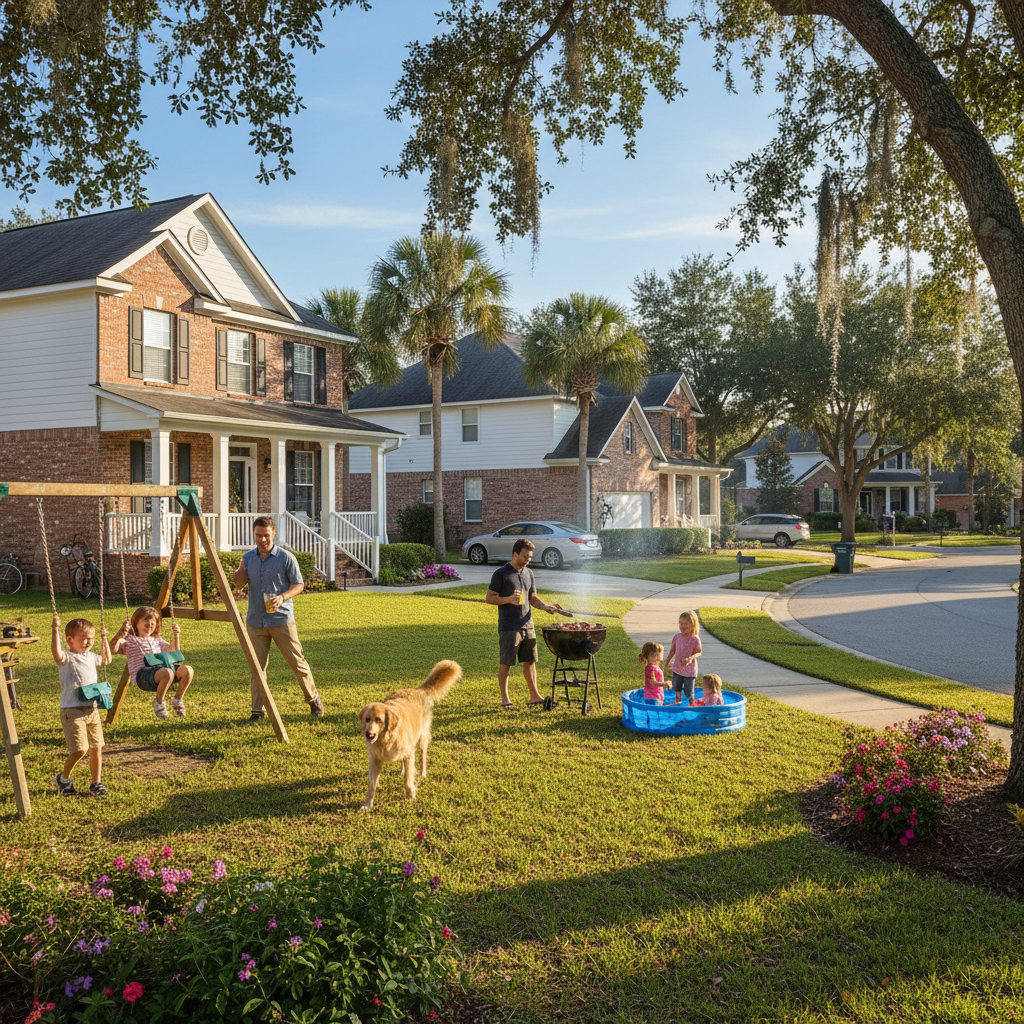
Large Southern metros like Atlanta, Miami, and Houston continue to attract attention, but it’s the surrounding suburbs and mid-sized cities that are seeing the strongest price appreciation and buyer interest. Places like Huntsville (AL), Greenville (SC), and Fayetteville (AR) are now top destinations for remote workers, retirees, and families looking for space without sacrificing amenities.
These areas offer better value, good schools, and access to nature—all while staying within reach of larger economic hubs. The shift is also supporting a construction boom in some counties that had been overlooked a decade ago.
3. Inventory Shortages Still Holding Back Transactions
Despite demand, the South is not immune to the housing supply crunch. Many homeowners remain locked into low-rate mortgages, unwilling to sell and risk higher payments. This bottleneck continues to limit inventory in key markets like Austin and Raleigh.
Meanwhile, construction labor shortages and material costs are slowing the pace of new builds. As a result, buyers are often entering bidding wars, particularly for move-in-ready homes in established suburban communities.
4. Renters Face Climbing Prices Across the Region
With homeownership still out of reach for many, rents across the South are projected to rise by 4–6% this year. Cities like Tampa, Charlotte, and Baton Rouge are seeing especially tight rental markets, with developers struggling to keep up with surging demand.
Build-to-rent communities are becoming a defining feature in Southern suburbs, providing single-family living with the flexibility of leasing. These developments are proving popular with young professionals, families, and retirees who want low-maintenance living without the commitment of buying.
5. Tech-Enhanced Transactions Becoming the Norm
Digital tools are making it easier than ever for Southerners to buy, sell, and rent homes. From AI-backed listing platforms to virtual walkthroughs and online mortgage approvals, the real estate process has become faster and more efficient.
Brokerages that leverage predictive pricing algorithms, automated scheduling tools, and 3D property scans are becoming increasingly popular, especially in tech-forward markets like Austin and Atlanta. For younger buyers, these platforms are often a deciding factor in choosing an agent or firm.
6. The Affordability Gap Remains a Regional Challenge
Although the South has long been seen as a more affordable region, rapid home price appreciation over the past three years has shifted that narrative. In cities like Charleston, Dallas, and Nashville, the cost of entry-level homes now far outpaces income growth.
Unless multi-family development accelerates or housing policies change to increase supply, the affordability crunch will continue to exclude a growing portion of middle-income buyers from the market in 2025.
7. Climate Risk Is Influencing Buyer Behavior
From hurricanes along the Gulf Coast to flooding in inland river zones, climate-related threats are beginning to influence housing decisions across the South. Insurers are raising premiums or withdrawing coverage in high-risk areas like coastal Louisiana and parts of Florida, while buyers are increasingly prioritizing properties with resilience features.
New developments are more frequently being built with hurricane-resistant materials, elevated foundations, and sustainable design—a trend that’s expected to continue as both public awareness and regulatory oversight increase.
Where Growth Is Most Prominent in the South
- Raleigh-Durham, NC: Bolstered by tech jobs and top universities
- Tampa, FL: High migration rates and a growing build-to-rent market
- Huntsville, AL: The Emerging aerospace and defense sector is drawing new residents
- San Antonio, TX: A balance of affordability, culture, and infrastructure investment
The Road Ahead for Buyers, Sellers, and Investors
For buyers, entering the Southern housing market in 2025 requires adaptability, patience, and strong financing preparation. Sellers should focus on realistic pricing and highlight turnkey appeal, especially in suburban neighborhoods with strong schools and transportation access.
For investors, multi-family units and suburban rentals continue to offer long-term returns, particularly in cities with low regulatory hurdles and population inflow.
A Region in Transition, Yet Full of Opportunity
The Southern U.S. housing market in 2025 stands as a blend of constraint and opportunity. While affordability and inventory challenges persist, strong migration trends, technological innovation, and flexible living patterns are keeping the region dynamic.
Those who stay informed and approach the market with realistic expectations will find the South remains one of the most promising regions in the national real estate landscape this year.