- calendar_today August 9, 2025
As the 2025 U.S.–China trade war escalates into its third consecutive year, the Southern United States—stretching from Texas to Florida, and up through Tennessee and the Carolinas—is experiencing a turbulent yet complex shift in its investment climate. With its economic backbone spanning agriculture, energy, logistics, and manufacturing, the South finds itself both vulnerable and adaptive in the face of global tensions.
Unlike Washington D.C. or Silicon Valley, where policy or tech dominance shapes the market response, the Southern region’s reaction is grounded in operational industries, blue-collar employment, and export-heavy trade. Here, the trade war isn’t a diplomatic chess match—it’s a direct hit to regional livelihoods.
What’s Fueling the Disruption?
As of Q2 2025, U.S. tariffs on Chinese imports have expanded to over $400 billion worth of goods, covering solar panels, electric vehicle batteries, textiles, and agricultural equipment. China’s retaliatory tariffs—particularly those hitting soybeans, poultry, and liquefied natural gas—have struck squarely at the Southern U.S. economy.
Notable Chinese Countermeasures Affecting the South:
- 41% Tariff on U.S. Poultry Exports: Georgia, Arkansas, and Mississippi—leading poultry producers—have seen export demand drop significantly.
(Source: USDA Trade Report 2025) - Soybean Diversion: China has now replaced over 70% of its U.S. soybean imports with purchases from Brazil and Argentina, slashing market share for Arkansas and Mississippi growers.
(Source: Bloomberg Agriculture, Feb 2025) - Reduced LNG Demand: The South’s massive Gulf Coast energy terminals (especially in Louisiana and Texas) are exporting 22% less LNG to China compared to early 2024.
(Source: EIA, April 2025)
How the Southern Economy Is Pivoting
Manufacturing: Re-Shoring and Automation
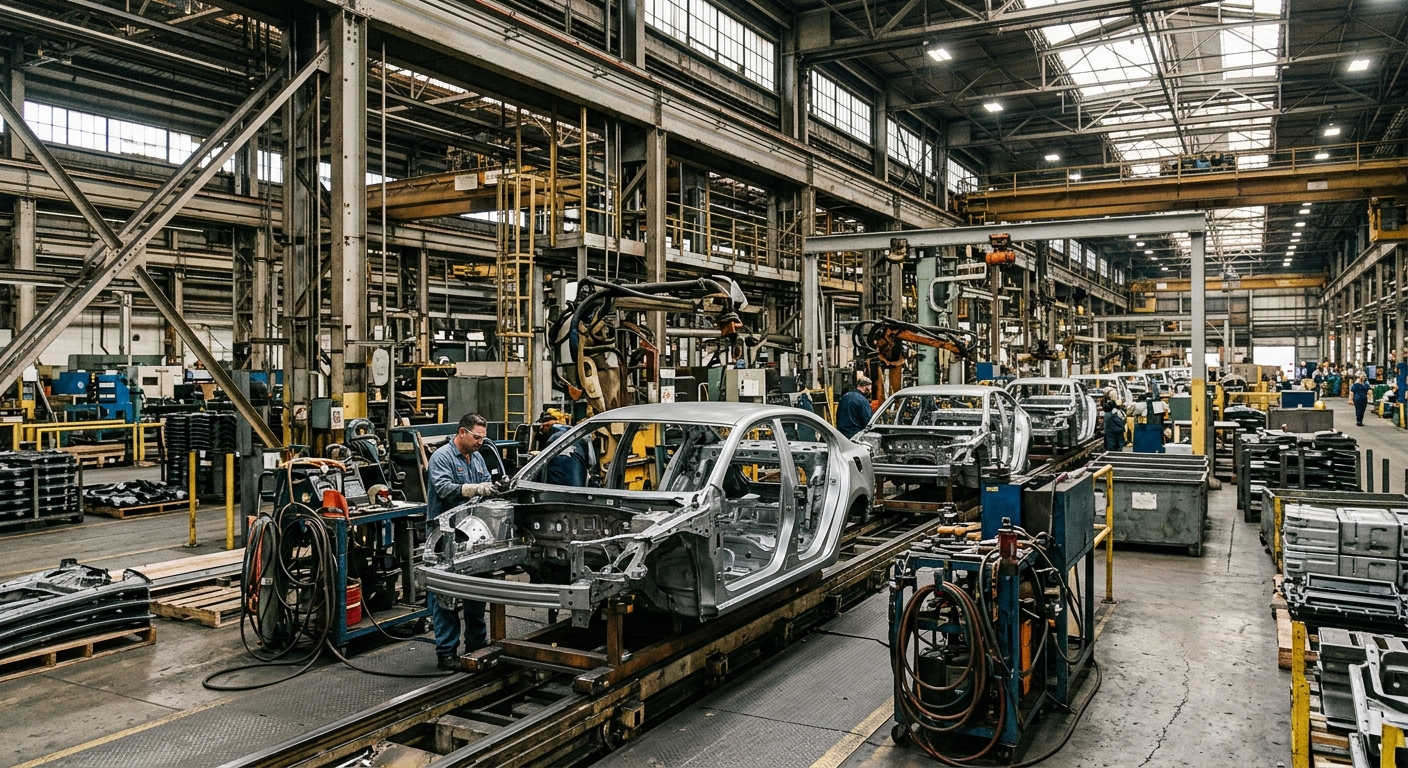
States like Alabama, Tennessee, and South Carolina—home to automotive assembly plants for BMW, Mercedes-Benz, and Toyota—are now reconfiguring supply chains. Chinese-made semiconductors and EV batteries are harder to source affordably, forcing companies to localize parts production.
Auto manufacturers are investing in regional R&D hubs and exploring Mexican and Vietnamese supplier alternatives. In Tennessee, one major auto manufacturer has announced a $460 million investment in domestic EV battery development to reduce dependence on Chinese inputs.
Agriculture: Diversification and Domestic Demand
While soybean and poultry exports face pressure, the Southern agricultural sector is exploring alternative crops (e.g., peanuts, corn, cotton) and doubling down on domestic food processing. Farmer co-ops in Georgia and Alabama are leveraging USDA subsidies and building local processing facilities to hedge against export volatility.
Florida’s citrus industry, less affected by the China standoff, is seeing a small rebound thanks to higher U.S. grocery demand for “homegrown” labeling.
Energy: Strategic Realignment
The South’s role as an energy powerhouse remains intact, but priorities are shifting. LNG exports to Asia are declining, but European demand has surged in light of continued geopolitical instability. LNG terminals in Texas and Louisiana are being reoriented to serve Europe, while clean energy investments in solar farms and hydrogen are growing in North Carolina and Texas.
A key insight: Texas saw a 31% year-over-year increase in clean energy venture capital funding, partly due to the U.S. government’s push for energy independence amid international uncertainty.
(Source: PitchBook, May 2025)
Real Estate and Logistics
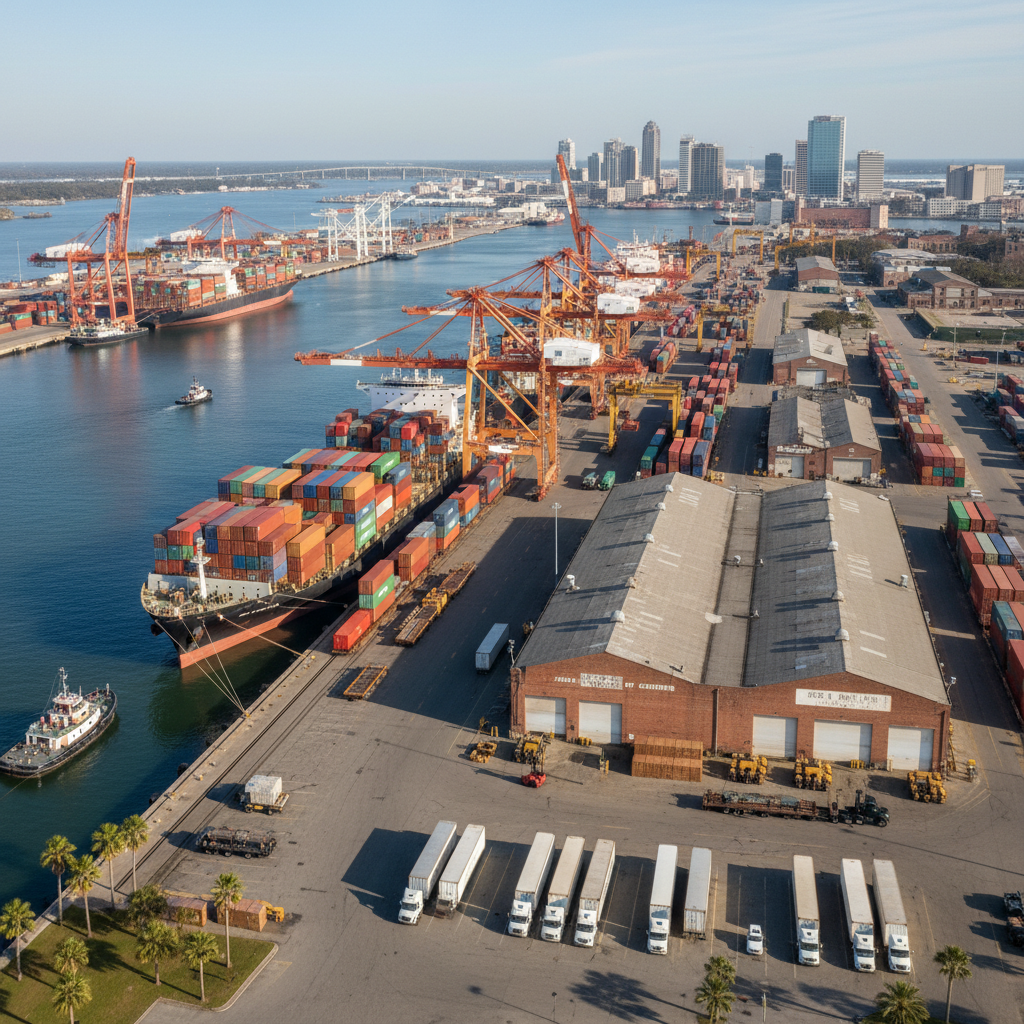
Major port cities like Houston, Mobile, Savannah, and Charleston are all adapting to new cargo patterns. With less inbound freight from China, these ports are expanding routes with India, Vietnam, and Latin America. Industrial real estate near these ports remains strong, driven by warehouse development and inland logistics hubs.
Investor Takeaways: Where to Focus in the South
- Prioritize Diversified Agriculture and Domestic Food Markets
Avoid overexposure to commodities dependent on Chinese buyers. Focus on U.S.-based processing and consumer trends like organic and regenerative agriculture. - Follow Regional Clean Energy Projects
Solar, hydrogen, and battery tech are gaining bipartisan support. Texas and North Carolina are key hotspots for energy-related infrastructure plays. - Invest in Re-Shoring Manufacturing Funds
Funds focused on U.S.-based manufacturing retooling and automation are seeing increased capital inflows. Think Tennessee, Georgia, and Alabama-based industrial ETFs. - Monitor Port and Logistics Stocks
Southern ports are now gateway pivots to non-China trade corridors. Invest in logistics REITs, railroads, and warehousing solutions tied to Southeastern trade routes.
Southern Grit Meets Global Complexity
The Southern U.S. isn’t buckling under trade war pressure—it’s recalibrating. While the pain is real, particularly for agriculture and energy exports, the region’s adaptability is beginning to shine. By reshaping trade relationships, modernizing manufacturing, and embracing energy transformation, the South is not just reacting—it’s repositioning.
In this global chess match, the Southern states are learning to play a long game—turning volatility into reinvention.