- calendar_today August 9, 2025
For the past decade, the Southern United States has been a magnet for migration and real estate investment. States like Texas, Florida, Georgia, and the Carolinas attracted buyers with their low taxes, growing job markets, and warm climate. But in 2025, the momentum has slowed dramatically.
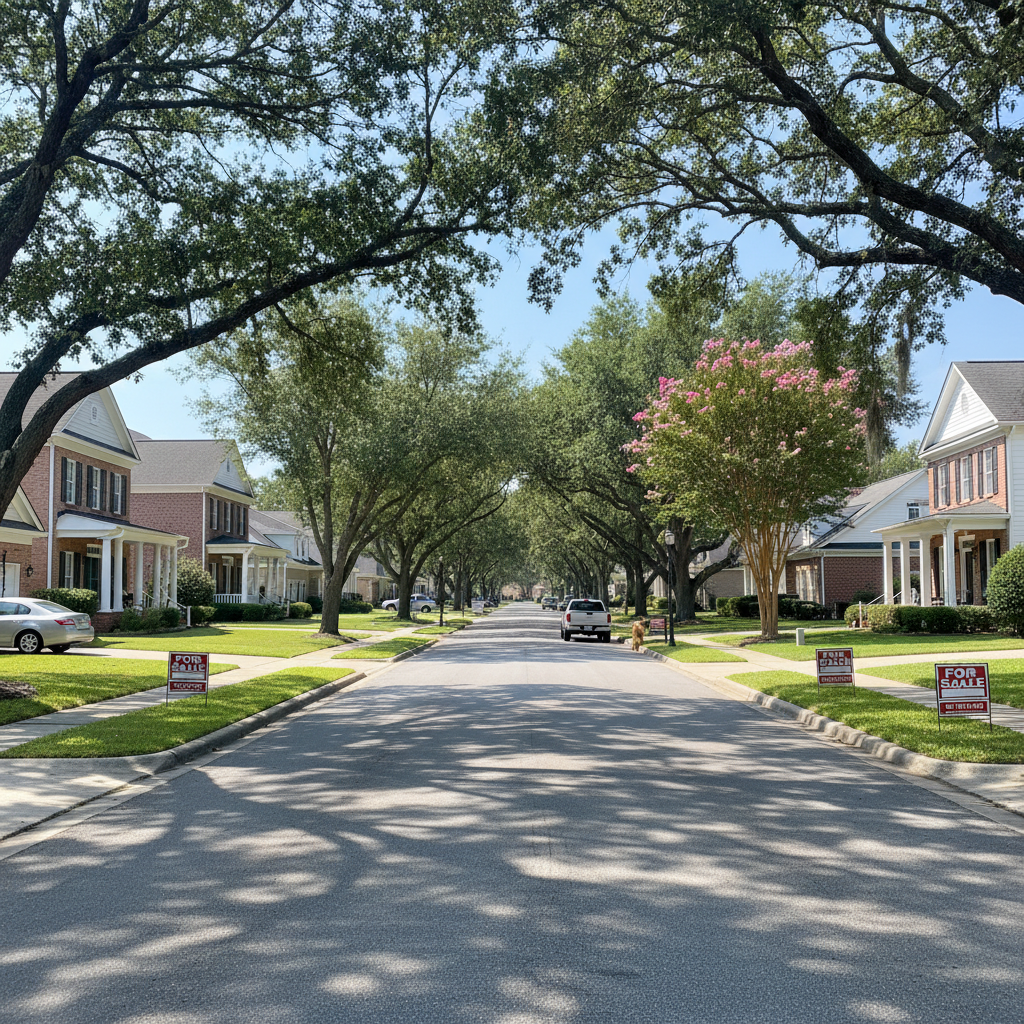
From booming metros like Dallas and Atlanta to once-sizzling smaller cities like Tulsa and Birmingham, the South’s housing market is cooling across the board. High mortgage rates, persistent inflation, and limited inventory have frozen buyer enthusiasm, leaving sellers waiting and developers hesitant.
Mortgage Rates Keep Buyers on the Sidelines
One of the main culprits behind the freeze is clear: the cost of borrowing.
As of July 2025, 30-year fixed mortgage rates are averaging between 7.1% and 7.5% across the region, according to Freddie Mac. That’s double the rates seen just a few years ago. For a typical $350,000 home in places like Charlotte or San Antonio, the monthly mortgage payment has jumped by over $700 since 2021.
For many working-class buyers, particularly first-timers, these increases are untenable—even in states known for affordability. “We’ve seen a steep drop-off in buyer activity this year,” said David Morales, a real estate agent in Houston. “People are priced out not just because of home prices, but because the financing costs have skyrocketed.”
Inventory Is Tight, and It’s Not Getting Better
While demand has cooled, supply hasn’t picked up in many parts of the South. In fact, inventory remains critically low across key metros.
In Florida, active listings are down 12% year-over-year. In Texas, new home listings have stagnated, despite a major construction push in recent years. Many homeowners with low-interest mortgages secured during the pandemic simply aren’t willing to sell and trade up into today’s higher rates.
“It’s a lock-in effect,” said Amanda Hsu, a housing analyst based in Atlanta. “People would rather stay put than take on a 7% or 8% mortgage, even if their home no longer meets their needs.”
This has led to fierce competition for the limited inventory still available, especially in desirable suburban and semi-rural areas.
Florida: From Boom to Backpedal
Florida’s real estate market may be the most dramatic example of this reversal. After years of surging demand—fueled by retirees, investors, and remote workers—2025 has brought a hard slowdown.
In Miami, median home prices are down 6% year-over-year, while sales have plummeted by more than 25%, according to Florida Realtors. Even typically hot markets like Tampa and Orlando have seen similar slowdowns.
Insurance costs, rising sea levels, and a string of extreme weather events have further eroded confidence in Florida real estate, particularly near the coast. “Between the hurricane risk and $5,000-a-year insurance premiums, buyers are second-guessing their decisions,” said Jennifer Lopez, a Fort Lauderdale broker.
Texas: Job Growth But Slower Housing
Texas cities like Austin, Dallas, and Houston have also seen a decline in sales activity in 2025, despite continued job growth and population inflows. In Austin, which led the nation in price appreciation from 2019 to 2022, prices have now dipped 4% from their 2023 peak.
Builders in the state are cautiously pulling back, with new permits falling by 18% year-over-year statewide. High land and labor costs, plus regulatory delays, are slowing down what was once a runaway housing engine.
Still, some buyers are cautiously re-entering the market—especially in secondary cities like San Antonio and Lubbock—where prices remain more reasonable. But even here, interest rates are a strong headwind.
Georgia and the Carolinas: From Hot to Hesitant
Atlanta, Raleigh, and Charlotte were once the darlings of pandemic-era migration trends. In 2025, that demand has cooled significantly. The cost of living has crept up in these metros, and with fewer remote work incentives, some former newcomers are looking to relocate again or rent instead of buy.
Home sales in North Carolina are down 20% year-over-year, with Charlotte leading the decline. Meanwhile, in Georgia, suburban areas around Atlanta are facing affordability issues once reserved for major coastal cities. Median home prices have crossed $400,000 in some Atlanta suburbs—an eye-opener for many local families.
Affordability Crisis Meets Wage Stagnation
Even as parts of the South remain relatively “affordable” compared to New York or California, incomes haven’t kept pace with home prices. According to the U.S. Census Bureau, median household income in much of the South still trails the national average by 10–20%.
When paired with high insurance, utility, and transportation costs, the total cost of homeownership has surged well beyond reach for many middle-class households.
“Affordability was our selling point,” said Marcus Lane, an economist based in Nashville. “Now even that advantage is slipping. And people are feeling it.”
Investors and Institutional Buyers Pull Back
Institutional investors had a massive presence in Southern housing markets throughout the 2020s. In cities like Atlanta and Jacksonville, as many as one in five homes sold in 2022 went to corporate buyers.
That tide is now turning. Higher financing costs and weaker rental yields have pushed institutional buyers to scale back, releasing some inventory but also removing a key demand driver that previously propped up prices.
What’s Next for the Southern Housing Market?
While the Southern real estate market isn’t facing a crash, it is definitely in a prolonged slowdown. Buyers are cautious, sellers are reluctant, and new development is slowing under the weight of rising costs.
Experts suggest that a meaningful rebound won’t come until interest rates fall below 6% again—something that could take time given the Federal Reserve’s cautious stance on inflation. In the meantime, many in the region are turning to rentals, house-hacking strategies, or simply staying put.
Final Takeaway
The Southern U.S. real estate market in 2025 is a complex landscape. Once a haven for affordability and opportunity, the region is now facing many of the same headwinds seen nationally—rising rates, tight inventory, and economic uncertainty.
Still, long-term fundamentals like job growth, warm climate, and demographic shifts could help stabilize the region. But for now, the Southern housing market is undeniably in a deep freeze.