- calendar_today August 10, 2025
Markets quickly reflected the shock. By the following morning, Wall Street plummeted—losing over 2,200 points, the S&P 500 dropped nearly 10%, and investors across the South braced for prolonged uncertainty (The Guardian, April 5, 2025).
A Trade War Reignited
The announcement of a 104% tariff on Chinese goods on April 3 ignited swift retaliation. Canada imposed a reciprocal 25% auto import tariff, and China levied a 34% tariff on all U.S. products (AP News, April 4, 2025).
“We will not be blackmailed,” declared a Chinese Ministry of Commerce spokesperson in Beijing. “If the U.S. escalates, we will respond in kind.” — Reuters, April 4, 2025
The Southern Impact: Where Tariffs Hit Hardest
1. Technology and Manufacturing
Technology and manufacturing hubs across the South—from Austin, Texas to Huntsville, Alabama—are under pressure. Taiwan Semiconductor Manufacturing Company (TSMC), a major supplier for American tech giants, now faces a 25% import tariff, leading to a 15% share drop and over $117 billion in lost market value (Reuters, April 9, 2025).
Apple, a major employer in Texas through its supply chain, saw a 7% dip in Frankfurt trading. Supply chain strategies are being reconsidered.
“We’re seeing a fundamental rethinking of global logistics,” said James Rowley, a trade analyst at Deloitte. “Tariffs are forcing companies to consider reshoring, even if it’s more expensive.”
2. Agriculture & Raw Materials
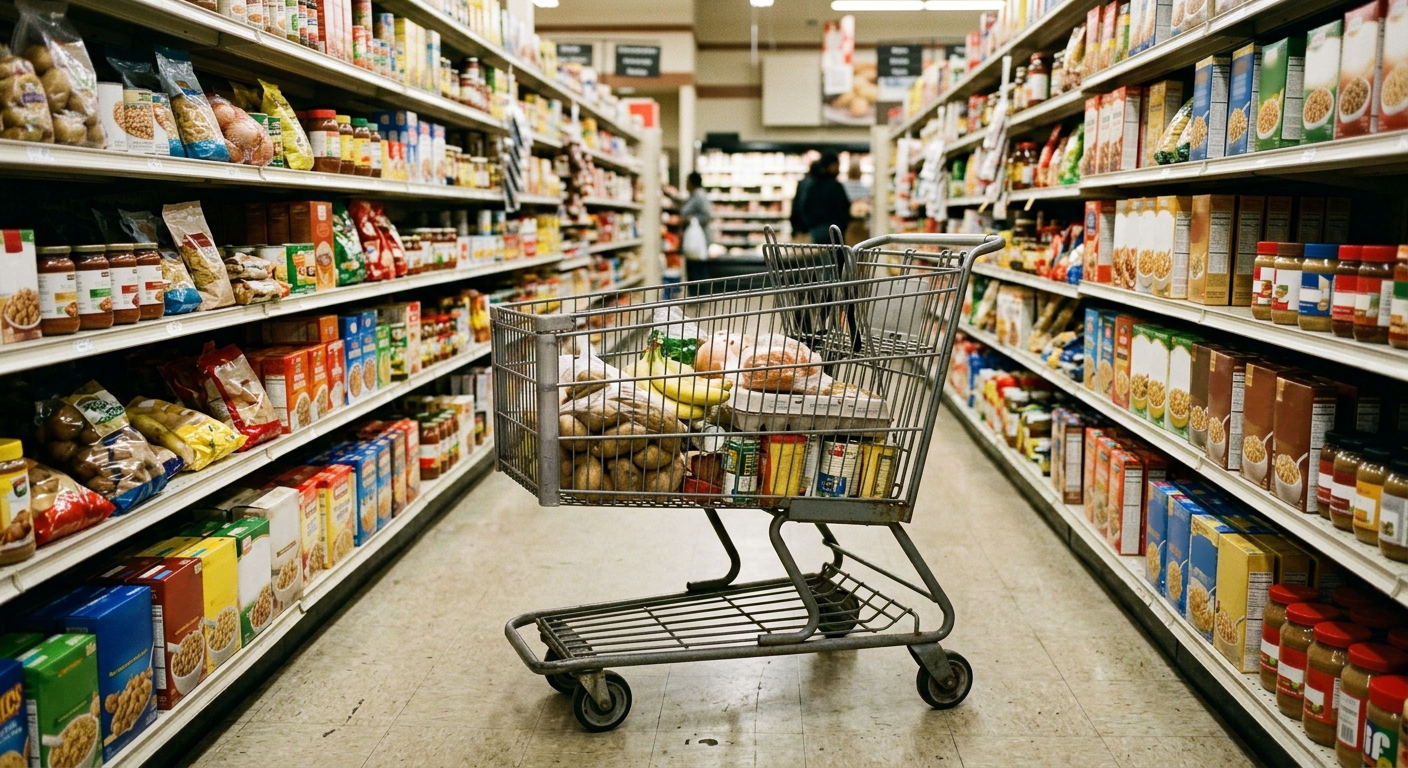
Tariffs have been especially painful for Southern agriculture—particularly in states like Texas, Georgia, and Arkansas. A 34% Chinese tariff on U.S. agricultural products has impacted exports of soybeans, cotton, corn, and pork—key commodities in the South.
According to the U.S. Department of Agriculture, projected exports for FY2025 are $170.5 billion, a modest rise from 2024 but still far below pre-tariff projections (USDA Outlook Report, March 2025).
“We’re caught in a geopolitical chess game,” said a wheat farmer near Lubbock, Texas. “And we’re the pawns.”
3. Automotive and Consumer Goods
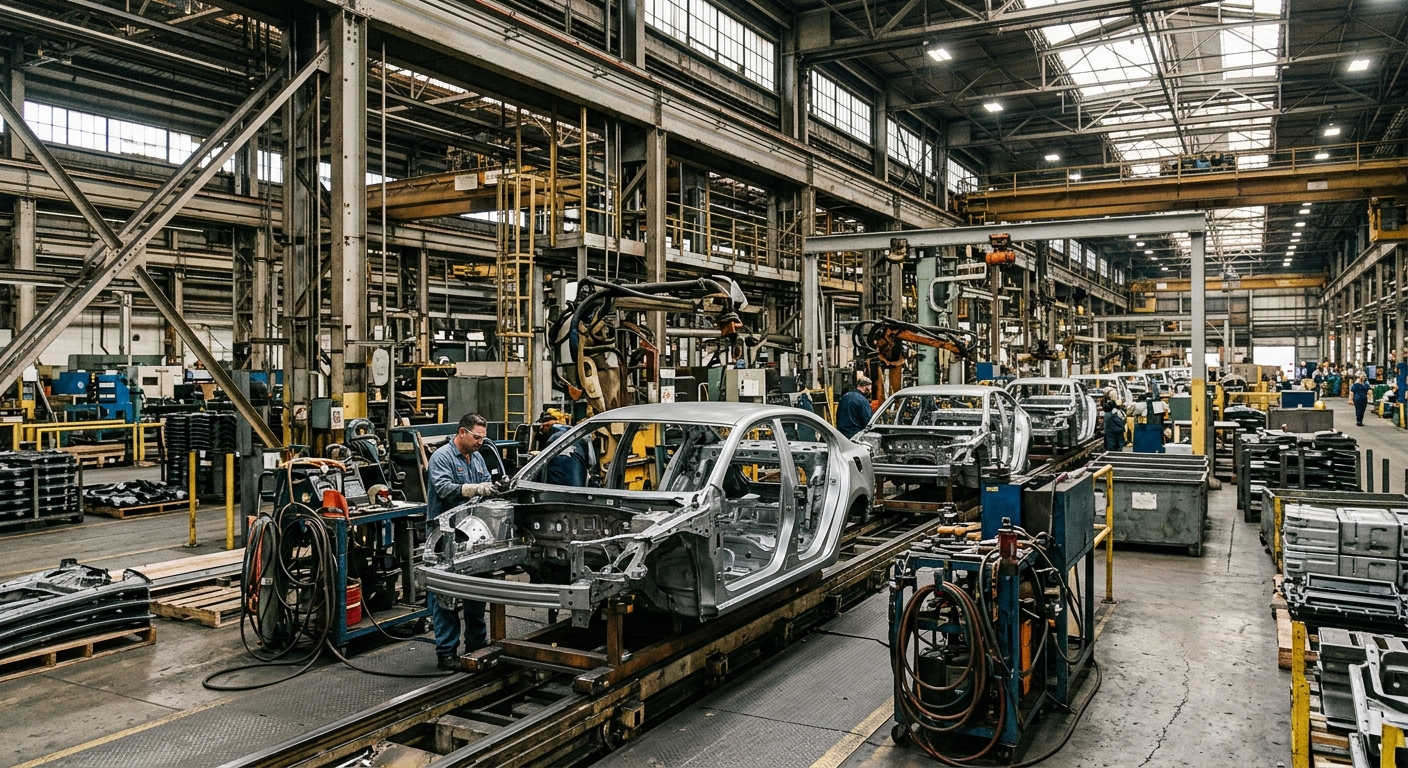
The Southern auto industry—home to plants from Hyundai (Alabama), Toyota (Mississippi), and Mercedes-Benz (Georgia)—is reeling from the 25% tariff on foreign vehicles. U.S. auto sales are forecasted to decline by 2 million units this year as vehicle prices climb (Reuters, April 7, 2025).
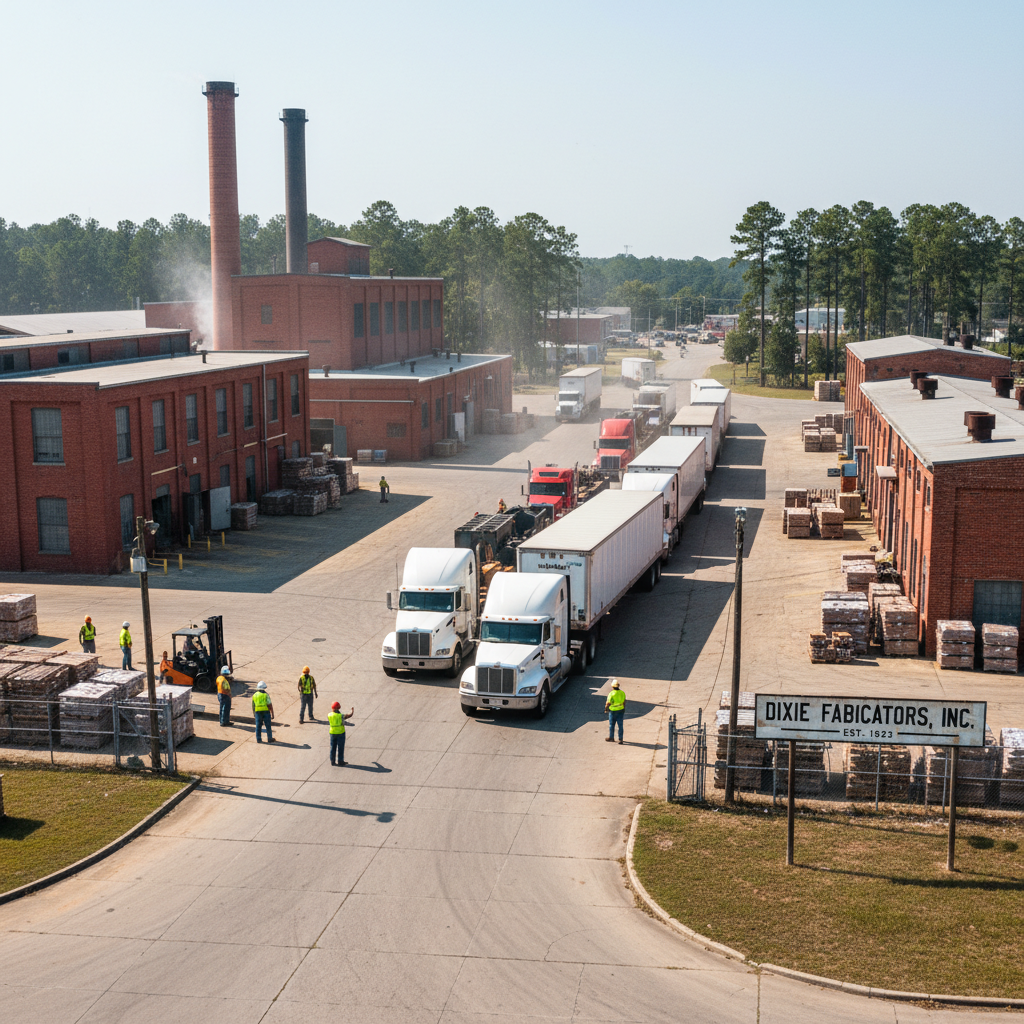
Volkswagen’s Audi division is reportedly holding imports at ports in Mobile, Alabama and Savannah, Georgia. Meanwhile, domestic producers like Ford and GM are reevaluating production locations in the South amid a drop in consumer demand.
Investor Sentiment in the Southern U.S.: Cautious and Reactive
Following the tariff declarations, markets tanked. The Dow Jones fell 2,200 points, the S&P 500 flirted with bear market levels, and the NASDAQ, heavily weighted with tech stocks, declined steadily (Bloomberg, April 8, 2025).
Gold spiked 1% to $3,010.39 per ounce, indicating a shift to safer assets (Reuters, April 9, 2025).
“We’re in wait-and-watch mode,” noted Erin Simmons, strategist at JPMorgan Asset Management. “No one wants to catch a falling knife in this climate.”
What Southern Investors Should Watch
In 2025, tariffs are not just economic policy—they are shaping investment behavior across the Southern U.S. From farmland and energy infrastructure to logistics and manufacturing, regional portfolios are shifting toward domestically resilient sectors.
Investors are retreating from globally dependent industries like tech and import-heavy retail and favoring reshoring-friendly opportunities. States like Texas and Tennessee are witnessing increased interest in clean energy, localized logistics, and infrastructure development.
Yet, with each new tariff or countermeasure, the investing landscape evolves.
In a region where weathering storms is part of life, Southern investors may find that agility, sectoral diversification, and close attention to trade policy are their best tools in 2025.
Stay ahead in the South. Subscribe to our newsletter for expert updates on trade, market trends, and regional opportunities shaping the Southern U.S. economy.