- calendar_today August 10, 2025
Investor Optimism Grows Amid Eased Trade Policy Concerns
Introduction
Southern US financial markets are seeing a rise in investor confidence following reports that former President Donald Trump has signaled openness on proposed tariffs. The news has triggered a steep surge in Dow Jones futures, pointing to potential market stability amid ongoing trade policy talks. Investors and analysts are closely watching how the move may impact the South’s economic direction in weeks ahead.
Market Rally: Dow Jones Futures Reaction Positively
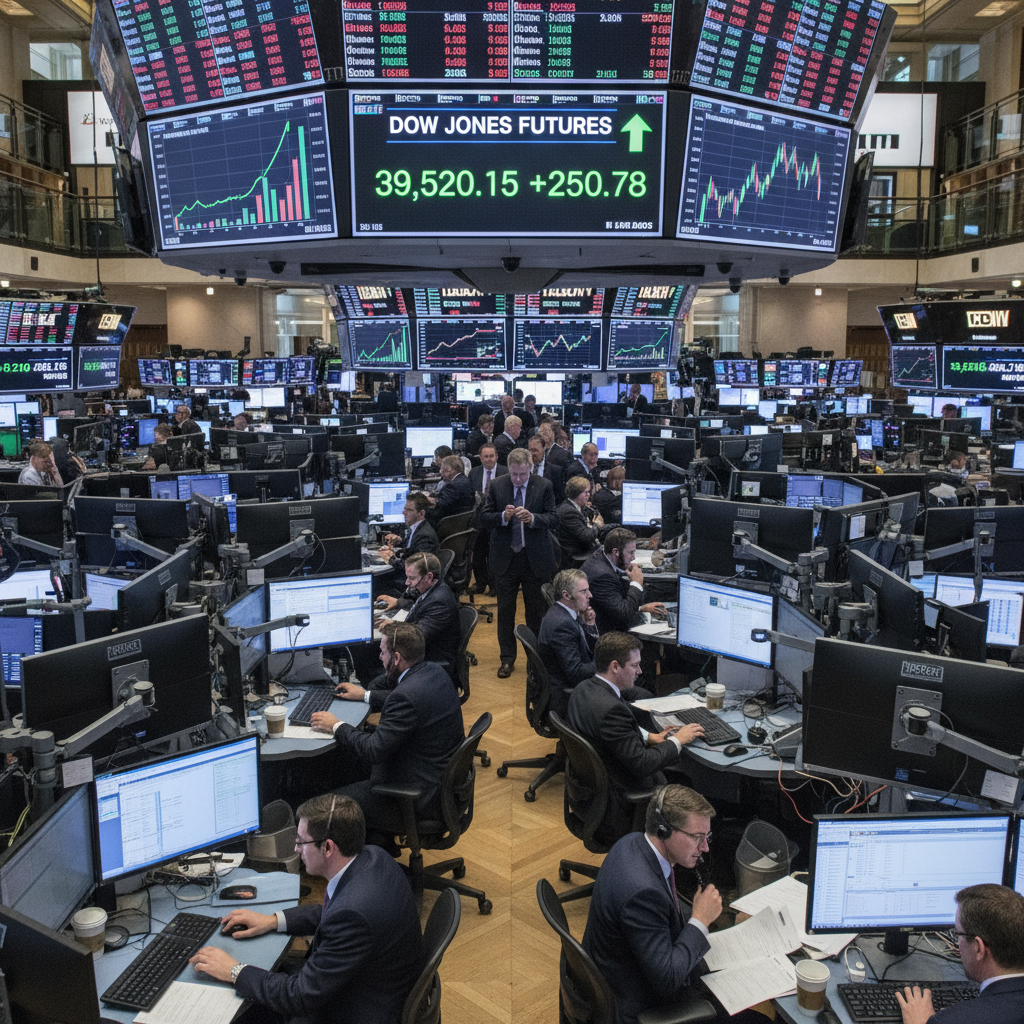
Following the news, Dow Jones Industrial Average futures had a significant surge, pointing to renewed optimism by traders. The potential for a more balanced tariff policy has eased fears of economic strain, particularly among trade-reliant industries.
Ag and Manufacturing Advance: Southern-based companies in agriculture, machinery, and manufacturing output posted significant pre-market gains.
Investor Confidence Returns: Traders seek lower volatility as markets adapt to potential tariff adjustments.
Sectoral Impact: Automotive manufacturing, steel, and agricultural exports led the rally as they benefitted from potential tariff relief.
Trump’s Trade Policy Adjustment: Key Points
Donald Trump’s language is directed towards a more measured response to tariffs, particularly in sensitive industries that are subject to global economic trends. His language suggests an openness to negotiating rather than putting in place blanket trade restrictions.
Tariff Cutting Potential: The tariff-cutting potential on critical imports has been comforting to business leaders.
Trade Relations Impact: Market participants are optimistic about improved relations with key trading partners.
Political and Economic Factors: Economists hypothesize that economic factors could be driving Trump’s strategic maneuvering.
Southern Economic Experts Opine
Financial analysts are evaluating the potential long-term effects of Trump’s tariff stance. A few of the main points are:
Economic Growth Predictions: A less aggressive tariff approach would raise GDP growth and corporate earnings in the South.
Investor Strategies: Hedge funds and institutions are rebalancing portfolios to capitalize on potential policy shifts.
Federal Reserve Monitor: The central bank’s response to market volatility remains a determining factor in future trends.
Consequences for Main Industries
The market response indicates the significant impact of tariff policy on many industries across the Southern U.S.:
Agriculture: Reducing trade barriers could lower farmers’ costs and increase soybean, corn, and wheat exports.
Manufacturing: Lower tariffs would decrease supply chain costs for machinery and automobile manufacturers.
Steel and Industrial Products: Suggested reductions in tariffs may benefit steel production and heavy industry that depend on foreign trade.
Looking Ahead: Market Projections and Investor Planning
As Trump’s latest moves in trade policy are absorbed by Southern markets, investors are being retooled. News that will come ahead on U.S.-China trade negotiations and broader economic trends will set the path for the region. Analysts suggest paying attention to:
Official Policy Statements: Any official statement regarding changes in tariffs will directly affect the market.
International Trade Developments: Ongoing negotiations with key trading partners might continue to influence investor sentiment.
Monetary Policy Shifts: The Federal Reserve’s interest rate and inflation policy will remain critical to market stability.
Conclusion
Trump’s flexibility with tariffs has injected a boost into South-facing financial markets, as Dow Jones futures rose in response. While it remains uncertain, the potential for more balanced trade policy has provided hope for investors. As the Southern United States gets acclimated with these events, market participants will keep looking at policy actions and broader economic trends to guide their actions.