- calendar_today August 15, 2025
Hyundai’s Expansion Fuels Economic Prospects Across the South
Introduction
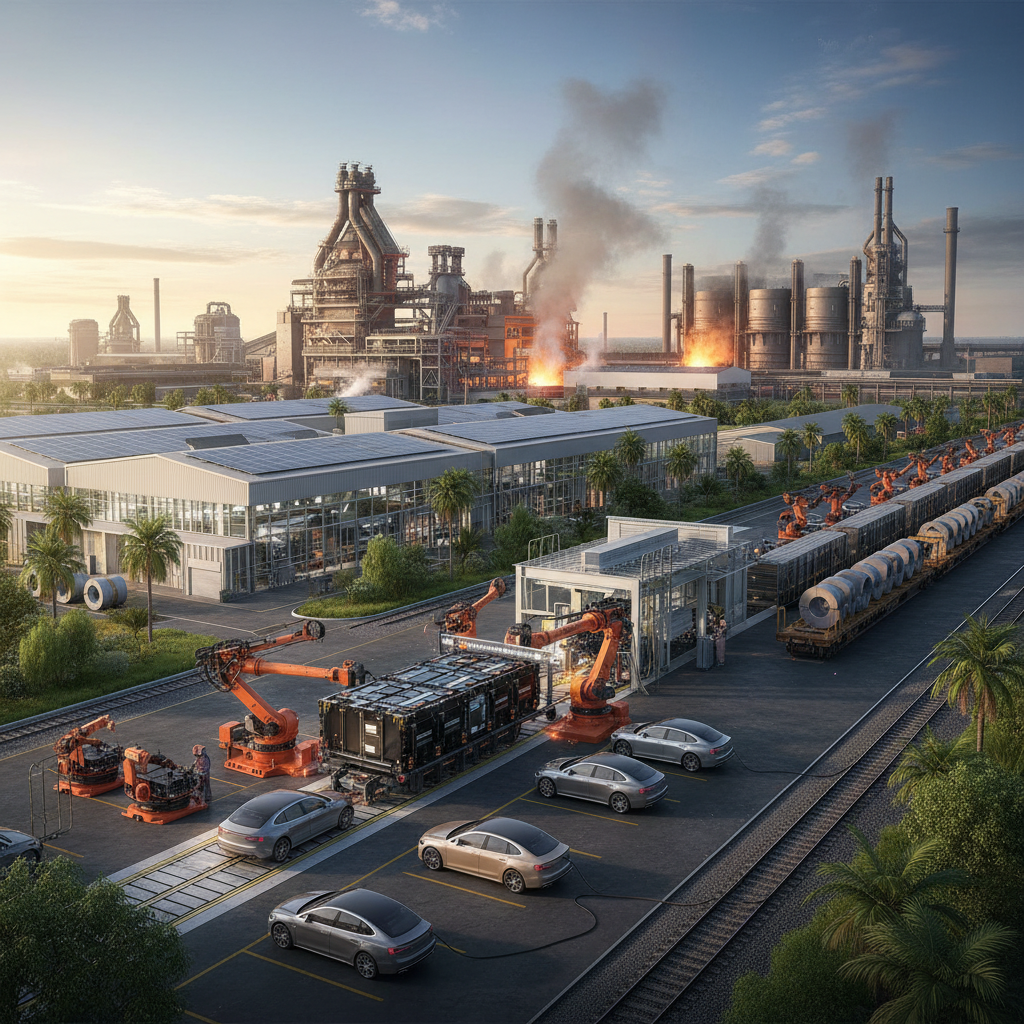
With an investment of $21 billion, the Hyundai Motor Group signals a less than transformational change in the economies of Southern states in the U.S. The heart of this proclamation is the planned construction of an ultra-modern steel plant and electric vehicle (EV) and automotive manufacturing extension in several states.
The major effect of this announcement is Hyundai’s long-term confidence in the U.S. economy, while at the same time recognizing the rising significance of this region in the global automotive industry. For the Southern U.S., the investment could create new jobs, develop infrastructure, and strengthen its foothold into the future realm of transportation and industrial innovation.
Highlights of Hyundai’s Investment
Hyundai’s decision to ship $21 billion into the U.S. business has far-reaching consequences. Even though the investment in the steel and auto industries is nationwide, it is the Southern states of Georgia, Alabama, and Tennessee that are expected to gain significantly from Hyundai due to their existing industrial infrastructures, strategic logistic hubs, and business-friendly environments.
Important elements of Hyundai’s investment that are regionally focused are:
- Expansion of Automobile Manufacturing: With the increasing commitment of Hyundai in EVs and fuel-efficient vehicles, local production plants are to be ramped up for production. This will provide increased opportunities for the regional auto suppliers and parts manufacturers and dealerships.
- Development of New Steel Plant: The construction of a new steel plant in the South would be expected to support domestic steel production, limit the import of steel, and enhance its contribution as a central link in the automotive supply chain in the region.
- Job Creation: The implementation of the project will create thousands of jobs in manufacturing, logistics, engineering, and maintenance, imparting new career pathways to the residents in Southern U.S.
Economic Effects for the Southern U.S.
Economists and business leaders in the South dub Hyundai’s action a big injection for the economy. The benefits are likely to be immediate and irreversible:
- Supply Chain Strengthening: Investments by Hyundai in steel and auto production will thereby demand local suppliers and create a strong, more resilient regional supply chain.
- Infrastructure and Transportation Improvements: States and cities might be prepared to expand local road, rail, and port facilities as industrial activities increase to meet traffic and logistics demands.
Challenges and Issues
Even though the economic perspectives seem very bright, experts are counseling a more cautious and strategic approach in order to realize long-term gains. Among the major issues include:
- Global Market Competition: While the South is today a hotbed of automobile investment, it competes with the likes of Michigan, Ohio, and abroad. To maintain any competitive edge, constant innovation and supportive policy frameworks are needed.
- Environmental Sustainability: The scale of industrial expansion raises environmental concerns. Ensuring compliance with state and federal environmental regulations, especially in steel production, will be crucial.
- Macroeconomic and Geopolitical Risks: Trade disputes, inflation, and global supply chain instability could potentially hinder the full realization of Hyundai’s projected benefits.
Conclusion
Hyundai’s ambitious $21 billion investment marks a pivotal turning point for the Southern U.S. economy. The region is uniquely positioned to take advantage of this momentum, strengthening its role in automotive and steel manufacturing while paving the way for innovation and long-term prosperity.