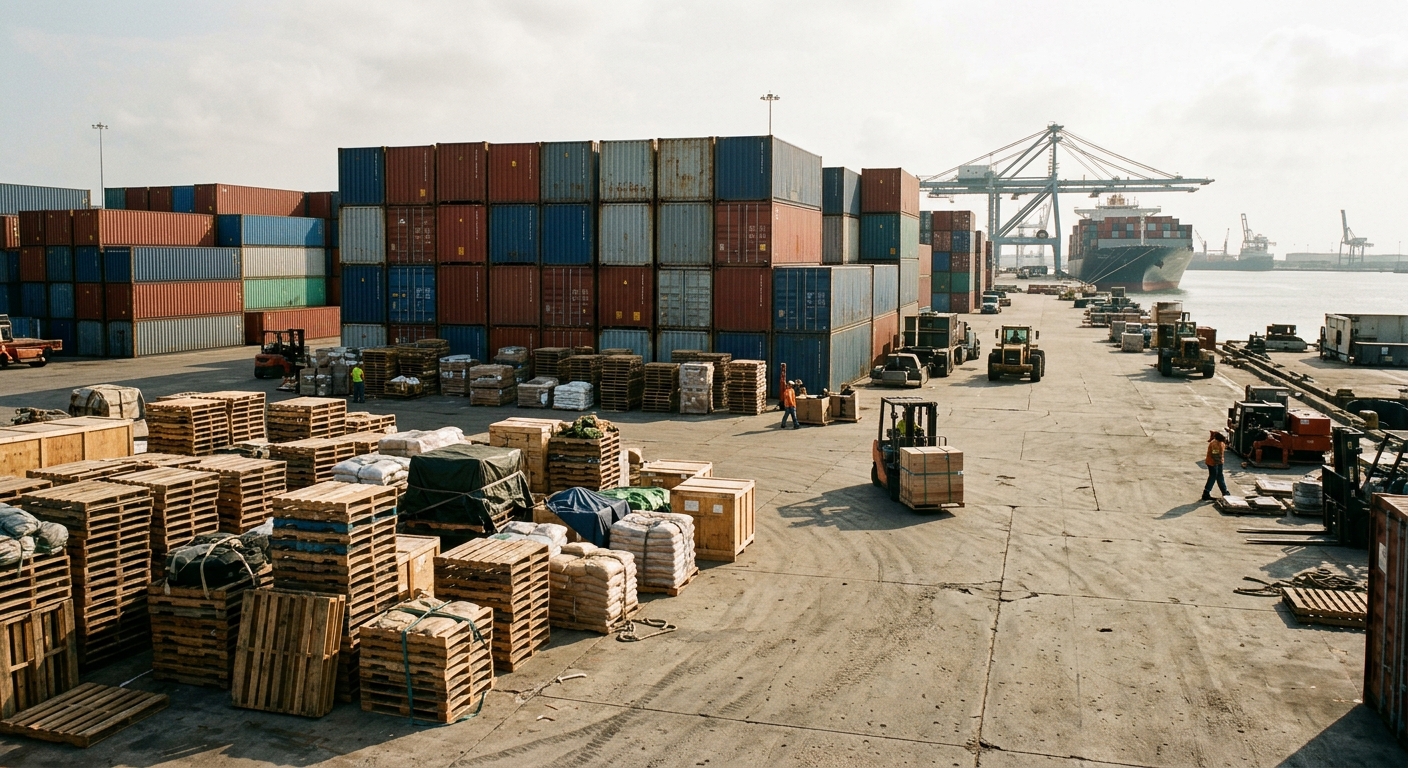
AI-generated illustration; not a photograph of the reported event.
- calendar_today August 18, 2026
The Southern USA is closely watching as urgent talks between the United States and Canada seek to prevent hefty us canada tariffs set to take effect on Canadian goods. President Donald Trump has threatened to impose 50% tariffs on $20 billion worth of Canadian exports, with an August 19, 2026 deadline looming, raising concerns for both regional businesses and broader cross-border trade relations.
Historic Trade Partnership Under Strain
The Southern USA has long benefited from strong economic ties with Canada. However, the current tariff dispute marks a sharp departure from the typically cooperative partnership. The threatened tariffs, rooted in section 338 tariffs under the Tariff Act of 1930, target a range of Canadian products—from hockey sticks to medical tongue depressors—that cross the border into American markets daily, including those serving sectors in the South.
Trade Negotiations Driven by Protectionist Policies
Trade negotiations entered a critical phase this month as the Trump administration leveraged rarely used legal tools in pursuit of a protectionist agenda. In exchange for delaying or reducing the tariffs, the U.S. is pressing Canada to commit to new purchases of American military equipment and to grant increased access to Canada’s critical minerals sector—issues of significance to defense suppliers and manufacturers in the Southern USA.
Political Pressures on Both Sides
Canada’s Prime Minister Mark Carney, leading the Canadian response, called the talks “delicate” while underscoring ongoing direct communication with President Trump. Canadian officials face strong domestic opposition to any trade concessions, reflecting the public’s frustration over potential harm to canadian exports and economic uncertainty. U.S. political leaders, particularly across states in the South with substantial trade exposure, are monitoring the risk of escalation into a broader trade war.
Implications for the Southern USA Economy
The Southern USA stands to be directly affected given its reliance on streamlined canada us trade for goods and materials ranging from manufactured parts to forestry products. Local manufacturers, logistics providers, and exporters warn that new tariffs could disrupt established supply chains and increase costs for consumers and businesses alike. The region’s agricultural sector, which has seen growth due to openness under past agreements, could also face new uncertainty.
Tariff Deadline and Regional Business Concerns
With the tariff deadline of August 19, 2026 approaching, companies based in the South have begun contingency planning. Economic analysts explain that while neither country wants to see the tariffs enacted, both sides are holding firm on core demands as mediation continues. Canadian stakeholders worry that excessive compromise could weaken their position in ongoing usmca renegotiation talks, while American firms dependent on Canadian imports brace for potential price hikes and supply delays.
USMCA Renegotiation and Beyond
At stake is not only the immediate question of tariffs, but also the wider stability of the US-Mexico-Canada Agreement. The usmca renegotiation process, which affects thousands of Southern USA jobs, could be complicated by heightened tensions and retaliatory measures. Experts caution that a failure to resolve the current dispute may set a precedent for future conflicts between the long-standing trading partners.
Regional Stakeholders Respond
Trade associations, chambers of commerce, and logistics firms across the Southern USA are urging policymakers to find common ground and avoid measures that could harm regional business growth. Many local leaders see the maintenance of healthy trade relations between the U.S. and Canada as essential to economic resilience in the face of global competition. They continue to advocate for open dialogue and practical solutions to the tariff impasse.
Looking Ahead: Risks of an Escalating Trade War
As both nations work to avert a full-blown trade war, the outcome of the trade negotiations will be closely watched across the Southern USA. Regional economies stand to suffer if tariffs become reality, affecting jobs, pricing, and investment decisions for years to come. With the us canada tariffs deadline fast approaching, the future of Canada-U.S. trade relations hangs in the balance.