- calendar_today August 22, 2025
Demand Slowdown and Economic Pressures Challenge the Athleisure Market
Introduction: Southern Retailers Confront a New Reality
Lululemon, the Canadian-born athleisure giant, is beginning to feel the strain in one of its most important U.S. markets—the South. From jam-packed malls in Texas to lifestyle boutiques in Florida, merchants who once rode Lululemon’s premium brand to success are facing an uncomfortable reality: consumer demand is decelerating.
Amid steady inflation, increased competition, and changing spending patterns, Southern U.S. retailers are retooling. As formerly loyal consumers choose discounts or look elsewhere for more affordable goods, companies must choose to double down on luxury or adopt a wider, more flexible approach.
What’s Behind Lululemon’s Soft Sales in the South?
Several economic and behavioral changes are behind the brand’s softened sales, especially in price-conscious areas.
1. Inflation-Driven Spending Conscience
As relentless inflation chips away at family budgets, discretionary spending on upscale activewear is plummeting. Southern consumers—working professionals and families in particular—are being more discerning, opting for necessity over luxury.
2. Premium Pricing Under Pressure
Lululemon’s premium pricing, which was once a sign of status and quality, has become a turnoff. Consumers are increasingly weighing cost against value and opting for brands that deliver comparable looks at a far lower price.
3. Competition Intensifies
Traditional athletic sport brands such as Nike and Adidas have increased direct-to-consumer campaigns while new players like Gymshark, Fabletics, and Target’s All in Motion are effectively luring cost-conscious consumers with fashionable, practical merchandise.
4. Evolving Consumer Behavior
Online sales, resale stores such as Poshmark and ThredUp, and holiday-overstock sales have altered the way Southern consumers shop. Store full-price sales are a thing of the past, as discount-conscious consumers search for deals online.
Southern Retailers Take Notice
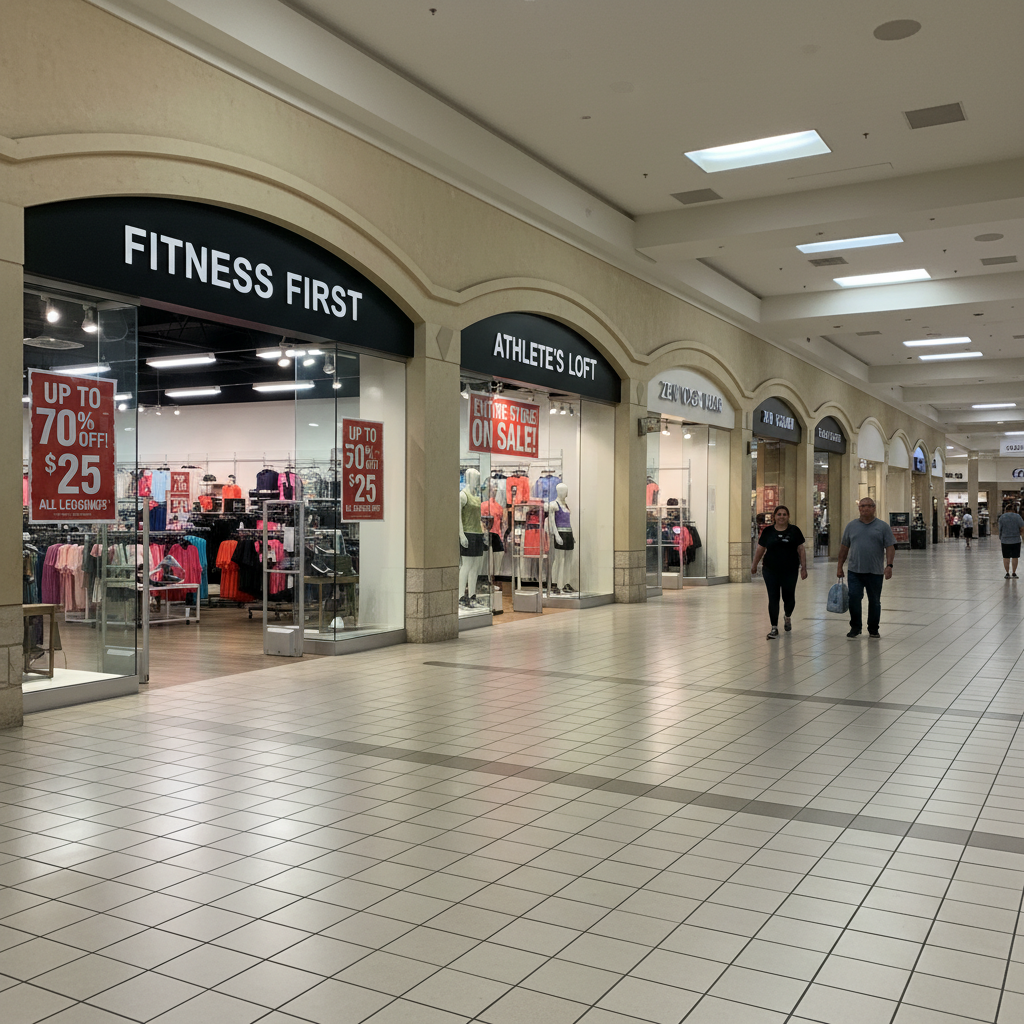
Retailers throughout the Southern states—from high-end fitness destinations to suburban malls—are feeling the ripple effects of Lululemon’s market softness.
- Less Foot Traffic: Shoppers are avoiding visits in person unless incentivized by promotions.
- Inventory Rebalancing: Stores are rebalancing merchandise mixes, reducing luxury inventory in favor of middle-tier alternatives.
- Discount Culture: Increasing expectations for discounts make brands have to fight harder to keep margins intact while still keeping customers loyal.
- Secondhand Surge: Thrift and resale are on the rise. Some consumers now value sustainability or affordability over new, opting for secondhand activewear alternatives.
Retailers Are Adapting—Fast
Confronted with these changes, Southern retailers aren’t idle. Here’s how they’re reacting:
– Stepped-Up Loyalty Programs and Promotions
Look for more buy-one-get-one, member-only discounts, and free shipping promotions—particularly aimed at repeat shoppers.
– Wider Inventory Selection
Stores are expanding, carrying both high-end and mid-range activewear brands to connect with consumers on different price levels.
– Focus on Digital and Social Channels
From Instagram advertising to TikTok influencer marketing, Southern retailers are betting on e-commerce and online visibility to fight for attention—and clicks.
– Personalized Shopping Experiences
To keep high-spending shoppers, some upscale retailers are introducing styling consultations, private events, and early-access privileges, making ordinary shopping an experience.
The Future of Athleisure in the South
Growth is decelerating, yet athleisure as a category is still solid. The Southern United States, where the outdoor climate and fitness-obsessed lifestyle persist, still presents fertile ground—if stores evolve cleverly.
Trends to Watch:
- Affordable Innovation: Brands are under pressure to preserve performance quality while reducing prices.
- Sustainability Sells: Environmentally friendly collections, upcycled materials, and moral manufacturing could be the distinguishing characteristics in brand choice.
- Nimble Retailers Win: The ones who rapidly adapt product assortment, pricing strategy, and promotion will keep pace even with economic turbulence.
Conclusion: Navigating the Athleisure Crossroads
Lululemon’s recent woes reflect larger market trends that Southern retailers can’t escape. Inflation, rivalry, and changing consumer behavior are necessitating a reset.
But with careful planning—value-oriented, flexible, and customer-empathetic—Southern American retailers can not only survive but flourish in the next chapter of athleisure retail.