- calendar_today August 27, 2025
Artificial intelligence is not today’s science-fiction movie or Silicon Valley research lab effect. It’s already here, and its effect is increasing exponentially. The World Economic Forum projects almost 50% of all jobs globally will be transformed by AI and automation by 2030. The Southern United States, whose industries are diverse and range from manufacturing and agriculture to tech and shipping, is already experiencing the tremors of this ground-shaking change.
As work assignments change and new skills are required, South employers, workers, and educators are responding. Across Texas, Georgia, Alabama, and the Carolinas, preparation is everything—and transformation is already in motion.
The South’s Most Vulnerable Industries
For many parts of the Southern United States, the regional economic base depends on industries that are most vulnerable to automation. They include:
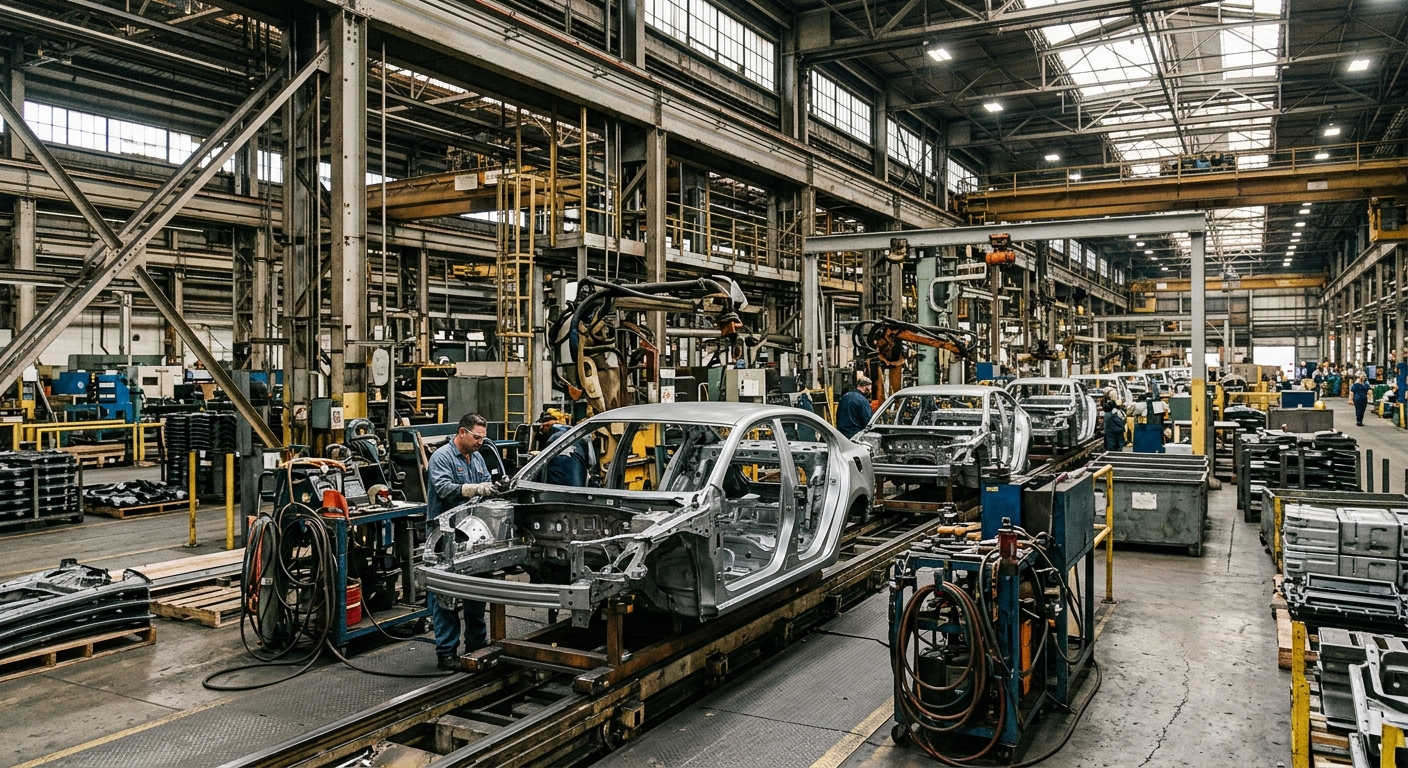
- Manufacturing, particularly in Alabama, Tennessee, and Mississippi, where robots start replacing the elderly assembly line workers.
- Retailing and transportation, both lead industries of Texas and Georgia, where self-checkouts and logistics AI are changing customer service and supply chains.
- Agriculture, particularly in Arkansas and Louisiana, where drones and intelligent irrigation systems are minimizing manual labor.
- Hospitality and tourism, which are deeply rooted in Florida and the Carolinas, which are experiencing movement towards contactless service and guest experience with AI.
These industries combined employ millions of workers throughout the South, so it is a sector highly vulnerable to upcoming technology shifts.
Preparing Through Education and Training
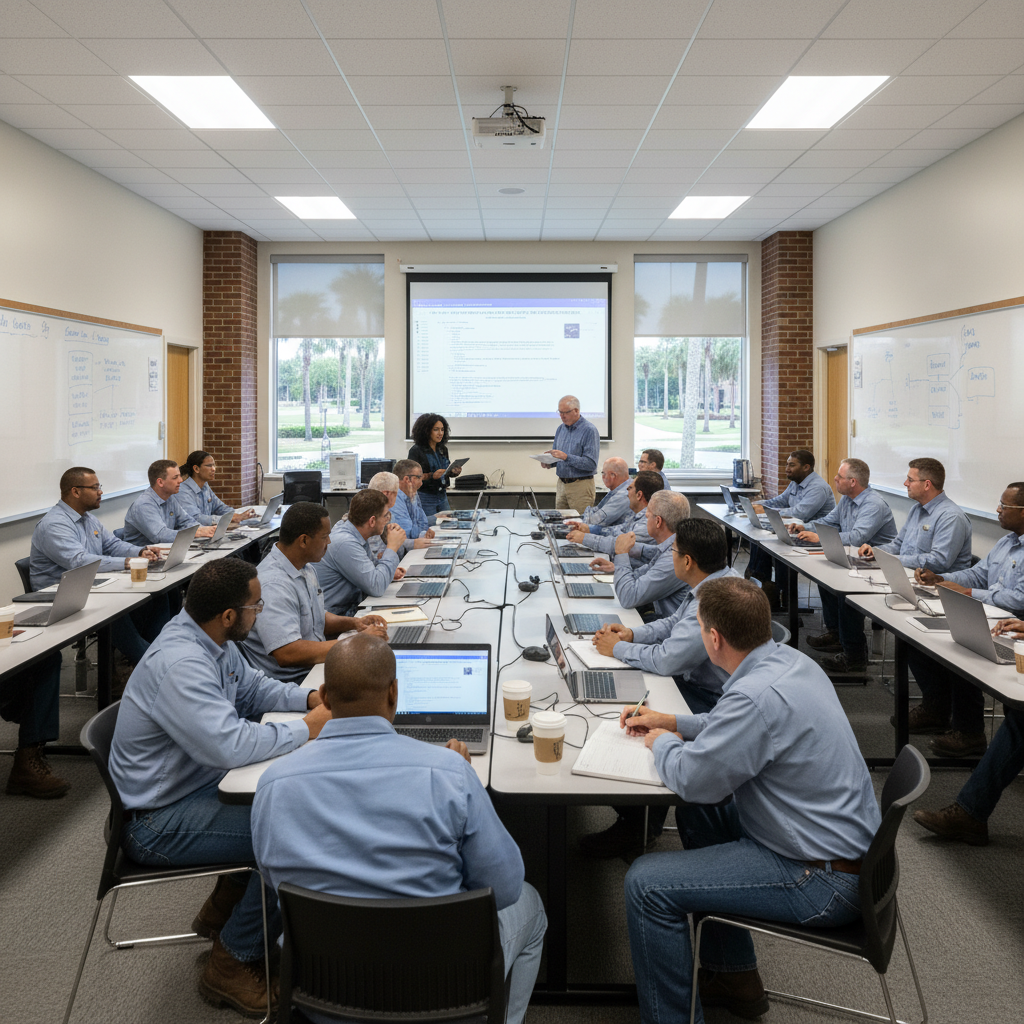
While disruption is unavoidable, the Southern United States is not taking its laurels for granted. From workforce development boards to community colleges, a huge effort is underway to reskill and upskill the talent pool.
In Texas, institutions like Austin Community College and Dallas College have launched certificate programs in AI, data analytics, and machine learning. “We’re helping people transition from traditional roles into the digital economy,” said Maria Gonzales, a career counselor in San Antonio. “The opportunities are there, but workers must be proactive.”
In Georgia, the Technical College System is also investing in AI and robotics education in all 22 colleges. Even high school students are being taught to code, automate, and digital literacy under STEM initiatives.
Public and Private Sector Partnership
Governments and companies in the South are starting to collaborate with each other in an effort to get ready for the impact of AI.
In North Carolina, its Commerce Department initiated workforce grants that incentivized businesses to have workers trained in digital skills. In Louisiana, its economic development office is paying for apprenticeships that integrate on-the-job training with the study of AI.
While this is happening, companies such as FedEx (Tennessee) and Delta Air Lines (Georgia) are investing in retraining employees to work with automation, not against it. From upskilling programs in-house to collaborations with universities, employers are taking more responsibility for equipping their workers for the future.
New Opportunities in the Age of AI
While job disruption may appear ominous, it is not all doom and gloom. AI is also producing entirely new occupations, many of which didn’t exist even a few years ago. Some examples include:
- AI support occupations
- Machine learning operations (MLOps)
- Data labeling and data science
- Robotics maintenance
- Cybersecurity and digital compliance
The Southern United States can take the lead in these new industries. Atlanta, Austin, and Raleigh are already becoming technology hubs for innovation, attracting investment, startups, and talent from all over the country.
Bridging the Digital Divide
One of the most daunting threats to the South is its digital divide—a lack of access to technology and internet capacity, and most significantly rural communities. The divide is a genuine threat: if workers are unable to access training or remote work, they fall behind.
To push back against this, governments are investing in digital literacy initiatives and broadband infrastructure. In Alabama and Mississippi, mobile learning laboratories are taking AI-relevant training to rural communities. South Carolina’s local libraries are becoming information hubs with free computer literacy and digital navigation courses.
Worker Sentiment: Fear and Hope
For the work of the South, the ghost of AI is both intimidating and exhilarating. Some are afraid of losing their jobs. Others envision an opportunity to expand.
“I’ve hauled for 15 years,” declared Tony Willis of Birmingham, Alabama. “Now they’re experimenting with autonomous rigs. I might freak—or I might begin studying to use logistics software and get ahead.”
This type of mind-set—practical but optimistic—is catching on across the entire region. Most are accepting the notion that adaptable thinking and ongoing learning are now lifelong capabilities.
A Culture Shift in the Making
The AI boom is bigger than an in-the-workplace change—it’s a cultural shift. The Southern United States, with its traditional career track and strong work ethic, is starting to redefine what it means to have a good job. Flexibility, technical know-how, and resilience are a new career kit.
“It’s about shifting mindsets,” says DeAndre Brooks, a workforce strategist in Baton Rouge. “We’re not just training people to use AI. We’re helping them build confidence in a future that’s constantly evolving.”
Looking Ahead to 2030
With the clock ticking toward 2030, the Southern United States finds itself at a crossroads. Will it lag behind in the AI race, or rise to the occasion?
With the early indications—increased educational efforts, increased access to broadband, and robust public-private partnerships—the South appears well-positioned not only to weather the AI revolution but to excel in it.