- calendar_today April 27, 2026
The Future of Student-Centric Approaches in Education
The educational landscape is undergoing a profound transformation, shifting from traditional methods to more student-centric approaches. As we move forward, these strategies are expected to evolve in exciting ways, enhancing not just learning but also the overall student experience. With a focus on the needs, interests, and learning styles of each student, we’ll delve into how these approaches are set to shape the future of education.
Understanding Student-Centric Learning
At its core, student-centric learning prioritizes the student’s needs over rigid curricula. It moves away from the one-size-fits-all model that has dominated classrooms for decades. Instead, it recognizes that each student is an individual, with unique talents, interests, and pacing. Think about your own learning experiences. Remember that subject you loved, where the teacher seemed to understand exactly how to spark your curiosity? That’s the essence of student-centric education.
The Basics of Student-Centric Education
Student-centric education revolves around several key components:
- Personalization: Lessons are tailored to meet the needs of individual students.
- Active Learning: Students engage in the learning process through discussion, practice, and collaboration.
- Feedback Loops: Continuous assessment and feedback help students understand their progress.
- Real-World Connections: Learning is connected to real-life situations, enhancing relevance and interest.
Technology: A Catalyst for Change
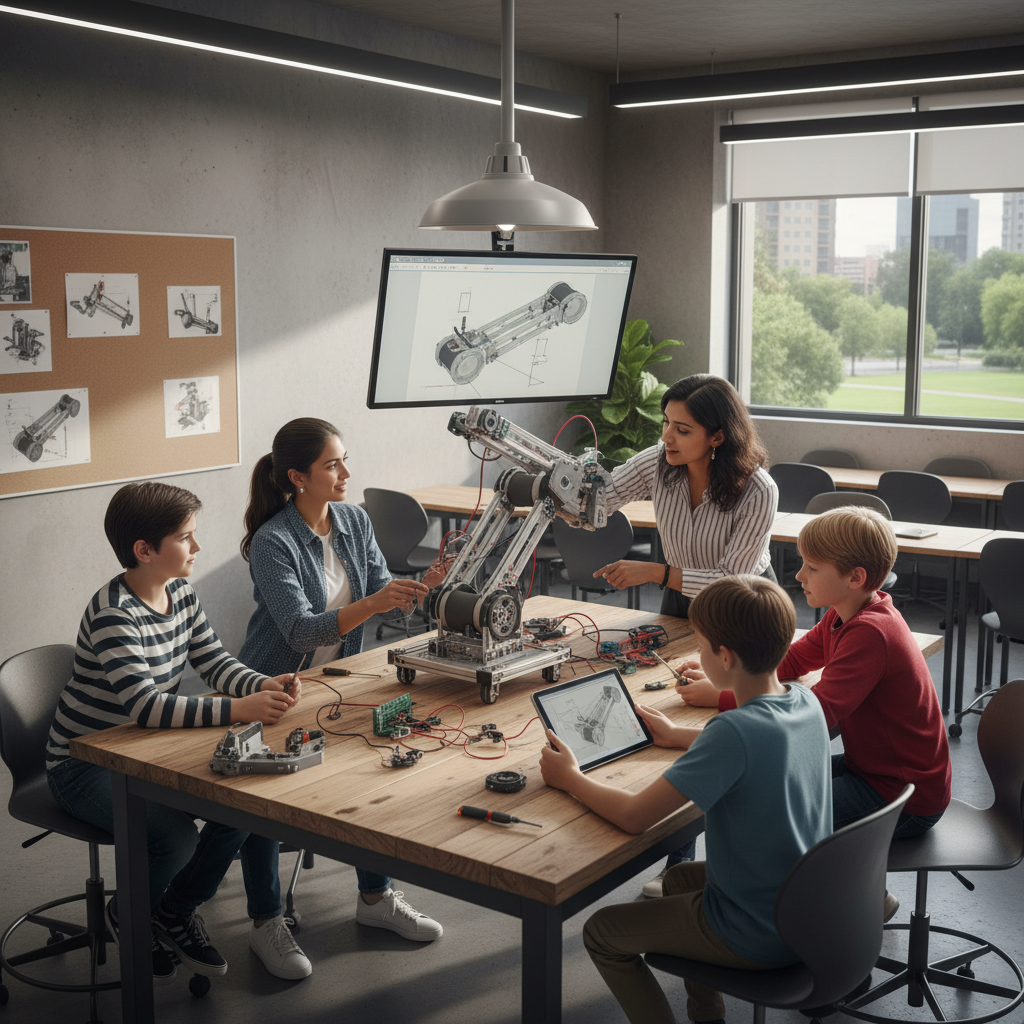
Technology is one of the most influential factors driving the evolution of student-centric approaches. From online platforms to interactive learning tools, technology allows for greater flexibility and accessibility. Imagine a classroom where learning doesn’t stop when the bell rings—students can access resources, collaborate with peers, and engage in discussions online at any time.
The Role of Data and Analytics
With the emergence of big data and analytics, educators can gain remarkable insights into student performance. This data-driven approach helps identify learning gaps and allows for immediate intervention. For instance, if you’re struggling with a particular topic, the system could suggest additional resources or personalized quizzes tailored to your needs. With data guiding decisions, education becomes more responsive and adaptive.
The Global Perspective: Lessons Learned
Looking beyond borders offers valuable insights into student-centric approaches. Countries like Finland have long embraced educational models that emphasize student agency and well-being. They focus on nurturing creativity and critical thinking rather than merely preparing for tests. These systems have seen significant improvements in student happiness and academic success, showcasing the effectiveness of a student-centric model.
Case Studies in Student-Centric Education
The impact of student-centric education is evident in various case studies. For instance, the project-based learning (PBL) approach used in schools around the world empowers students to take ownership of their education by working on real-world challenges. One school in New Zealand implemented a PBL initiative focused on environmental sustainability. Students collaborated with local organizations, developing not only their academic skills but also a depth of understanding about community impact.
Challenges to Implementation
Transitioning to student-centric approaches isn’t without its challenges. Some educators may struggle with embracing a shift away from traditional methods due to a lack of training or institutional support. Additionally, the existing educational infrastructure often prioritizes standardized testing, which can conflict with individualized learning. Managing diverse student needs within a single classroom can be challenging but is essential for fostering an enriching educational environment.
Strategies for Overcoming Barriers
To effectively implement student-centric approaches, educators, administrators, and policymakers must collaborate. Professional development programs focusing on active learning strategies can equip teachers to better serve their students. Creating a supportive culture that values innovation and flexibility can help bridge the gap between traditional methods and modern educational demands.
Looking Ahead: The Future Landscape
The future of education is set to be vibrant and multifaceted, with student-centric approaches at its core. Virtual and augmented reality technologies will bring lessons to life, enabling hands-on learning experiences that transcend geographical boundaries. Moreover, as artificial intelligence becomes more integrated, it will provide personalized tutoring tailored to individual student needs.
Anticipating the Role of Educators
As we embrace these innovations, the role of educators will evolve dramatically. Rather than merely delivering content, teachers will become facilitators of learning. They will guide students through their educational journeys, fostering critical thinking and creative problem-solving skills. The best teachers will not just impart knowledge; they will inspire and empower their students to become lifelong learners.
The Importance of Community in Education
A student-centric approach doesn’t exist in isolation. Community engagement is critical for fostering a holistic educational experience. Schools can partner with local organizations, businesses, and families to create a supportive ecosystem that enriches students’ learning. By cultivating these relationships, educational institutions can provide students with a sense of belonging and purpose.
Incorporating Feedback from Students and Parents
Listening to the voices of students and parents can drive meaningful change. Regular feedback sessions can provide valuable insights into what works and what doesn’t within the educational system. With these insights, schools can adapt and refine their approaches, ensuring that they remain relevant and effective in meeting the needs of all learners.
Conclusion: The Path Forward
The future of student-centric approaches in education promises to redefine learning experiences and empower future generations. By harnessing technology, fostering community involvement, and prioritizing personalization, we can create an education system that truly values each student as an individual. As we move ahead, consider how you can advocate for these changes within your community. What are some ways you see student-centric approaches improving education for yourself and others?